
Visa, Mastercard and JPMorgan Data Exposed in Third-Party Breach
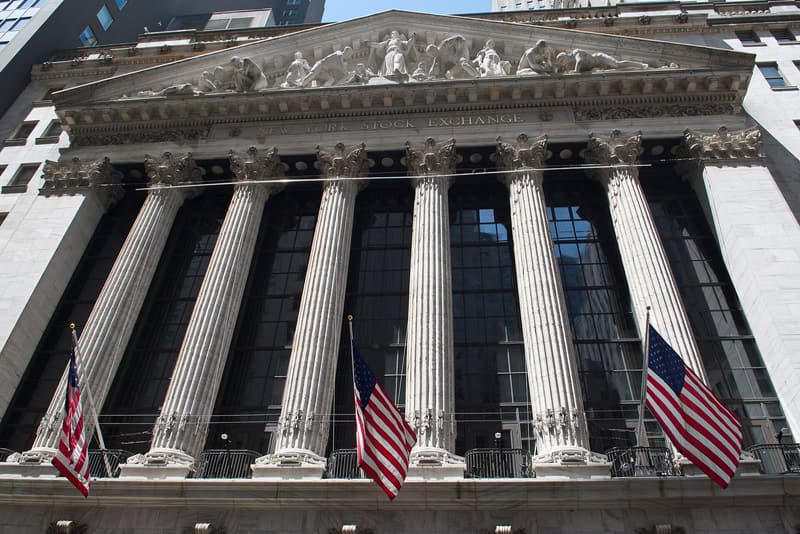
Representative photo · Photo: Joe Mabel / Wikimedia Commons, CC BY 3.0
Major payment firms confirm customer data was exposed via third-party vendors, though core payment networks remain secure.
This is news, not investment advice. NexVani Media is not a SEBI-registered investment adviser and does not recommend buying or selling any security. Do your own research or consult a registered adviser before investing.
Financial giants Visa, Mastercard, and JPMorgan Chase have confirmed that customer information was exposed following a security breach at third-party service providers. As users search for information on "hackers" and their methods, these institutions have moved to clarify that their internal systems and payment networks were not compromised in the incident. The data leak was attributed to a ransomware group identified as n0n, according to cybersecurity firm SOCRadar.
Payment firms confirmed that customer data was exposed through third-party vendors rather than their own internal networks.
Visa reported that the incident involved a service provider in the Asia-Pacific region, emphasizing that no sensitive payment data, such as card numbers, was affected. Similarly, Mastercard stated that a limited subset of cardholders enrolled in a specific benefit program had some information exposed, but confirmed its payment network remains intact. JPMorgan Chase noted that the attackers targeted external service providers, likely accessing marketing information such as customer names and email addresses, with no disruption to banking services.
This incident follows a week of technical instability for major institutions. JPMorgan recently experienced issues with account access and payment processing, which the bank attributed to a software update. The bank explicitly stated that the data leak had no connection to those earlier service disruptions. These events, occurring alongside broader tech failures like recent aviation groundings and global software outages, have contributed to increased public scrutiny regarding the resilience of critical digital infrastructure.
The growing threat of hackers
For the digital asset sector, these breaches highlight the vulnerability of customer data within the financial ecosystem. As payment companies continue to integrate crypto and stablecoin initiatives into their operations, their security posture has become increasingly central to the broader onchain economy. The rise of sophisticated cyberattacks, including those involving AI, has created a challenging environment for financial institutions globally. While the firms maintain that the damage is contained, the event underscores the persistent risks facing large-scale organizations in an era of frequent data exposures.
Why it matters
The breach highlights the systemic risk posed by third-party vendor dependencies, which serve as a potential soft underbelly for even the largest financial institutions. While core payment systems remain functional, the exposure of customer contact information underscores the ongoing threat to data privacy in the digital age. This incident serves as a reminder for users to remain vigilant about their personal information as financial firms continue to expand their digital footprints.
Sources
More like this

Bitcoin Enters Death Cross as Anthropic IPO Fails to Lift Wall Street

Institutional Holdings in Bitcoin ETFs Reach Record Levels
Why higher interest rates could slow Bitcoin buying at treasury firms