World
Singapore Town Councils Can Request More NEA Cameras to Curb High-Rise Littering
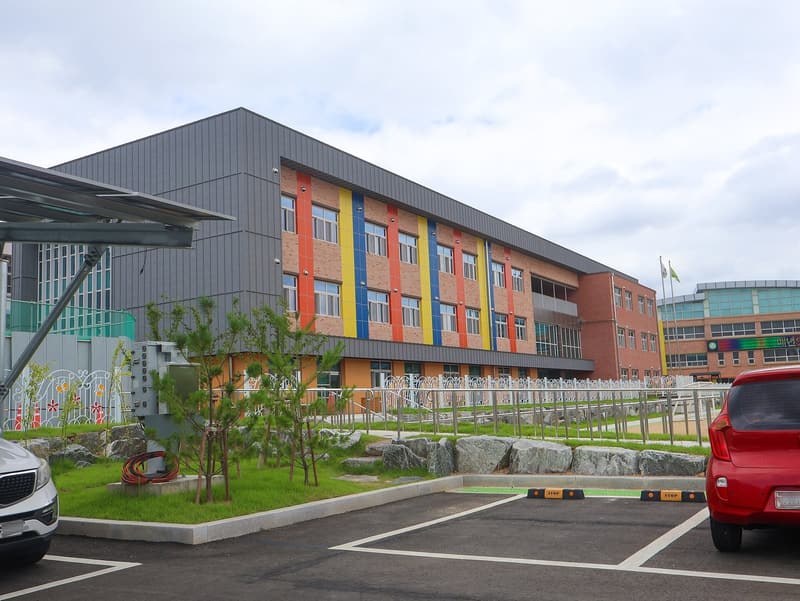
Representative photo · Photo: Zexsen Xie / Wikimedia Commons, CC BY 2.0
Representative photo · Photo: Zexsen Xie / Wikimedia Commons, CC BY 2.0
Singapore's National Environment Agency is expanding surveillance capabilities to help town councils tackle persistent high-rise littering issues in residential areas.
The National Environment Agency (NEA) in Singapore has introduced a new initiative allowing town councils to request additional surveillance cameras to monitor and address instances of high-rise littering. This move comes as the authorities seek to manage the persistent reports of debris being discarded from residential buildings, which has become a notable concern within local communities. While many people often search for information regarding Singapore and its proximity to other regions, such as asking about the nearest country to visit, the focus for local residents remains on maintaining the cleanliness and safety of their immediate living environments.
High-rise littering remains a significant challenge for urban management. By providing town councils with the authority to deploy more cameras, the NEA aims to enhance the monitoring of identified hotspots. This strategic deployment is intended to act as a deterrent and assist in identifying those responsible for discarding items from upper floors, which poses both a nuisance and a safety risk to residents below. The initiative empowers local management bodies to take a more proactive stance in enforcing cleanliness standards within their respective estates.
Town councils can now request more NEA cameras to monitor and curb high-rise littering in residential areas.
This policy change represents a shift toward more localized enforcement, giving town councils the tools necessary to respond directly to the needs of their residents. By increasing surveillance in known hotspots, the authorities hope to reduce the frequency of littering incidents that affect the quality of life in high-density housing blocks.
For residents, this means a potentially cleaner and safer living environment as the increased oversight discourages irresponsible behavior. While the issue is specific to Singaporean residential infrastructure, the implementation of such surveillance measures highlights a broader approach to urban governance that prioritizes community hygiene and accountability.