Why China resists a nuclear treaty with the United States and Russia
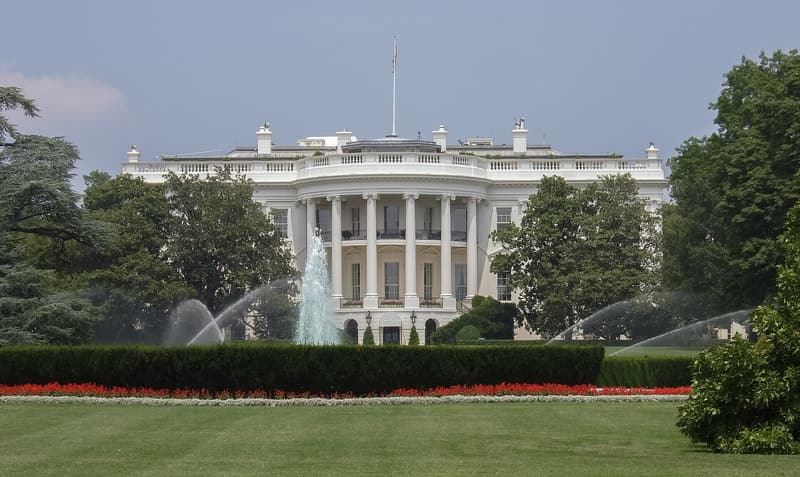
Representative photo · Photo: Diego Delso / Wikimedia Commons, CC BY-SA 3.0
The world's top nuclear-armed nations prepare for trilateral talks as Washington pushes for a new arms pact to replace New START.
The world's leading nuclear-armed countries are scheduled to hold their first-ever trilateral meeting soon as United States President Donald Trump advocates for a new nuclear arms treaty. President Trump will meet Chinese President Xi Jinping and Russian President Vladimir Putin for discussions on the sidelines of the Asia-Pacific Economic Cooperation summit this week in Shenzhen, China, according to the White House. The expired New Strategic Arms Reduction Treaty, which lapsed in February after its five-year extension ended, remains at the center of diplomatic agendas for Washington and Moscow. That agreement originally placed caps on deployed strategic nuclear warheads and long-range delivery systems.
While Russia previously proposed extending the pact, President Trump rejected the offer in favor of a modernised deal that includes Beijing. However, Chinese officials have long indicated reluctance to join any nuclear arms control agreement. Washington argues that a bilateral treaty involving only the US and Moscow no longer reflects the global balance of power, especially given the vast and rapidly growing Chinese nuclear stockpile. US Undersecretary of State for Arms Control Thomas DiNanno emphasized that any future framework must address both Russian strategic systems and the breakout growth of Chinese stockpiles.
China refuses a trilateral nuclear pact due to a massive warhead disparity with Washington and Moscow.
Beijing’s resistance stems largely from the severe disparity in warhead inventories. According to data from the Stockholm International Peace Research Institute, China holds an estimated 620 warheads, which sits well below the caps permitted under the former New START agreement for Russia and the US, both of whom possess more than 5,000 warheads each. Although China's arsenal is expanding rapidly by roughly 100 new warheads annually, Ministry of Foreign Affairs spokesperson Lin Jian stated that Beijing's forces are not on the same level as those of the US and Russia and that China will not participate in disarmament negotiations at this stage. Academic experts note that structural asymmetry and a declared no-first-use policy shape Beijing's minimum deterrence posture.
Why it matters
This upcoming trilateral meeting highlights the shifting dynamics of global strategic security as older bilateral frameworks give way to new geopolitical realities. For international observers and regional populations, the reluctance of Beijing to cap its expanding arsenal means that future arms control will require multilateral negotiations, directly influencing global deterrence strategies and military planning for years to come.
Sources
More like this
Russian Satellite Intelligence and the Escalation of the Iran-US Conflict

The Red Sea Cannot Be Secured Without Restoring the Yemeni State

At least 11 killed in major blaze on Thailand Phuket island