History Points to Growing Risks of a Stock Market Crash
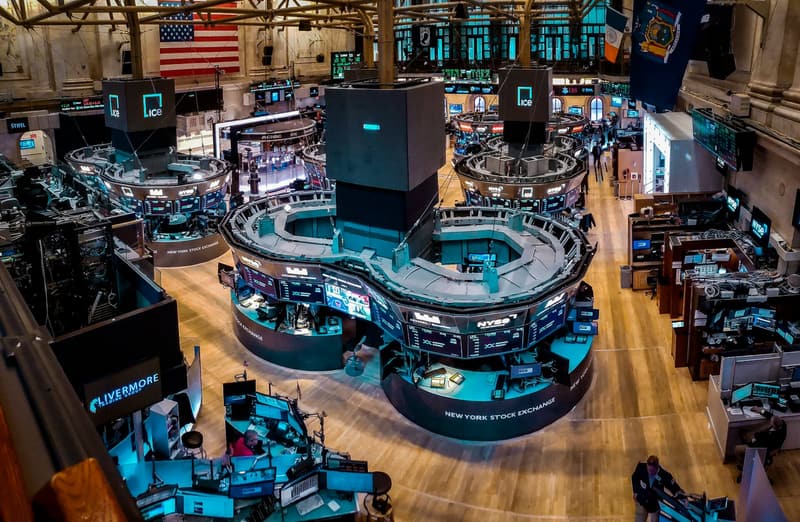
Representative photo · Photo: 颐园居 / Wikimedia Commons, CC BY-SA 4.0
As the AI-driven bull market continues under President Trump, historical valuations and margin debt suggest rising risks of a major downturn.
This is news, not investment advice. NexVani Media is not a SEBI-registered investment adviser and does not recommend buying or selling any security. Do your own research or consult a registered adviser before investing.
Navigating the current financial landscape requires careful observation, especially as the stock market sees continuous shifts influenced by artificial intelligence and economic policies. While major indexes reached impressive milestones during President Donald Trump's first term—with the Dow Jones Industrial Average, S&P 500, and Nasdaq Composite gaining 57%, 70%, and 142% respectively—historical precedents hint that a stock market crash could be on the horizon.
Artificial intelligence has emerged as a dominant force, representing a $22.5 trillion addressable opportunity through 2031 according to IDC projections. However, history demonstrates that every major technological revolution faces a bubble-bursting phase as investors often overestimate the initial speed of adoption and optimization. Although AI enjoys strong capital backing, businesses are still far from maximizing the technology's full profit potential.
Historical valuations and surging margin debt indicate rising probabilities of a major market downturn.
Valuation metrics further compound these concerns. The S&P 500's Shiller Price-to-Earnings Ratio entered the year at its second-highest level since January 1871. Historically, whenever this cyclically adjusted ratio has exceeded 30, subsequent double-digit declines have followed. Additionally, outstanding margin debt reached a record $1.502 trillion in June 2026, marking a 77% surge over a short span. Similar rapid increases in borrowed money preceded past financial crises and bear markets.
Why it matters
These historical indicators do not guarantee an immediate crash, but they highlight significant macroeconomic risks that could impact global investors and broader financial markets. Understanding these metrics helps market participants evaluate potential volatility and portfolio exposure.
Sources
More like this

Stock Market News: Inflation Accelerates as Trump Economic Outlook Dims

US Tech Sell-off Continues as Anthropic IPO Share Price Drops

Ethos Ltd Faces GST Demand of ₹117.58 Crore From Chandigarh Authorities