China and ASEAN Struggle Over South China Sea Code
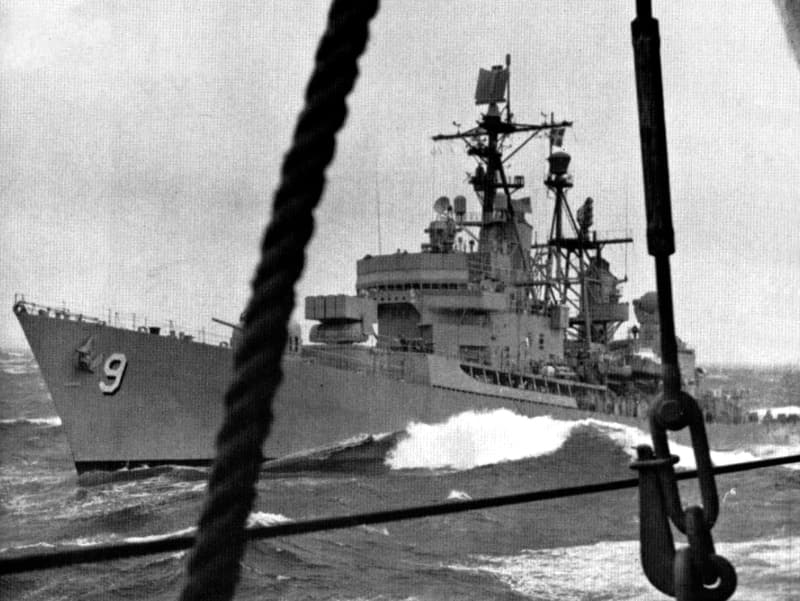
Representative photo · Photo: U.S. Department of Defense (the photo wa / Wikimedia Commons, Public domain
Long-running negotiations for a South China Sea code of conduct face persistent hurdles amid deep divisions between China and ASEAN nations.
Ongoing talks aimed at establishing a code of conduct for the South China Sea faced a setback during a summit in Manila, where participants had to abandon ambitions to finalize an agreement. Although about 80% of the text has been negotiated, key disputes remain unresolved, casting a shadow over broader China ASEAN relations. The region serves as a vital global shipping route, holds rich fishing grounds, and may contain significant gas and oil reserves. However, it is primarily a theater of strategic competition, marked by Beijing's extensive claims under its Nine-Dash Line, which overlap with the maritime borders of Vietnam, the Philippines, Malaysia, and Brunei.
The Legal Binding Debate
A central disagreement involves whether the treaty should carry legal weight. Political scientists note that Beijing shows little interest in a legally binding agreement that would restrict its freedom of action, preferring to keep the conflict simmering. Furthermore, internal divisions within the eleven-member ASEAN bloc complicate the diplomatic process. While nations like the Philippines and Vietnam voice strong opposition to Chinese assertiveness, countries such as Cambodia and Laos maintain close economic ties with Beijing. This lack of unity, compounded by the consensus principle where any single state can block a decision, acts as a permanent obstacle to a unified front.
Controversies also surround the geographic scope of the agreement, such as the inclusion of the Paracel Islands, and how to define specific incidents at sea, including the use of water cannons or supply vessel blockades. Analysts caution that even if a code of conduct is eventually signed, it will regulate incident management rather than resolve underlying territorial disputes.
Why it matters
The failure to secure a binding code of conduct leaves regional security dependent on voluntary declarations, affecting international shipping and geopolitical stability. While formal negotiations are set to continue under Singapore's chairmanship, the outcome will hinge on whether Beijing accepts regulatory limits and if ASEAN can overcome its internal fractures.
Sources
More like this

Photos: People rally across France over living costs and public services

Dashcam Captures Missile Strike During Attack on Lviv

Dozens missing after fire at Indonesian factory