Strait of Hormuz remains a critical point of leverage for Iran
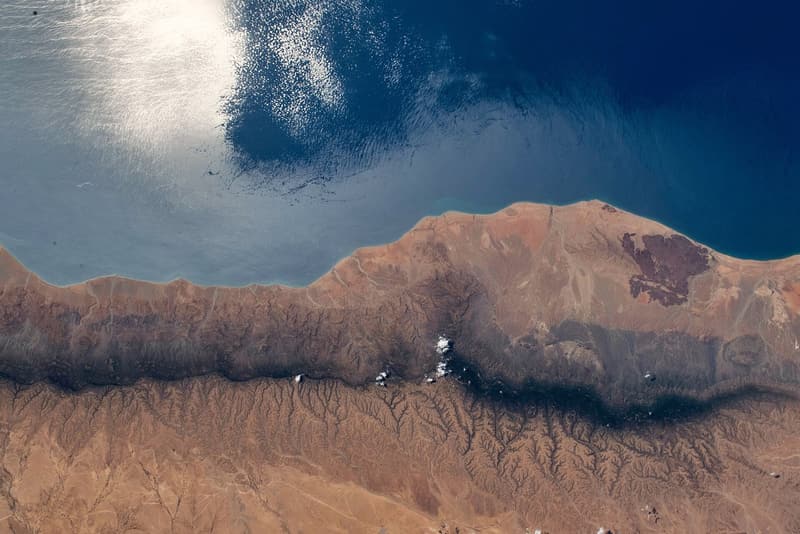
Representative photo · Photo: Kevin M. Gill / Wikimedia Commons, CC BY 4.0
Ongoing attacks in the Strait of Hormuz continue to disrupt global shipping, driving up energy costs and complicating trade routes despite fluctuating vessel transit numbers.
The Strait of Hormuz news continues to dominate energy security discussions as persistent attacks on commercial vessels create significant risks for crews and shipping companies. While merchant ships still attempt to navigate this vital waterway, the long-term viability of these routes remains uncertain, depending heavily on Iran's capacity to maintain its offensive posture and the effectiveness of United States-led maritime protection efforts.
Data from the UK Maritime Trade Operations Center indicates that while transit numbers have shown some recovery—with 325 reported transits in early November compared to 277 the previous week—they remain approximately 65% below levels recorded before the conflict began. However, experts warn that vessel counts do not paint the full picture of energy supply disruptions. While crude oil exports have largely stabilized across various routes, the trade in refined petroleum products has seen a sharp decline, roughly halving since the conflict's onset. Similarly, liquefied natural gas exports from nations like Qatar and the UAE continue to face significant challenges.
Persistent security threats in the Strait of Hormuz are driving up global energy shipping and insurance costs.
The economic burden of the Strait of Hormuz
Ali Mohammadi, an expert in Iranian affairs, suggests that Iran’s primary constraint in sustaining these operations is economic rather than military. While Tehran utilizes its geographic position and existing military equipment to threaten shipping, the sustained economic impact of the conflict serves as a major limiting factor. Mohammadi notes that even if a full closure of the strait were theoretically possible, it would likely be unsustainable due to the severe political costs for Iran, which cannot indefinitely disrupt access for its own allies. Instead, these threats appear to be a strategy to increase the cost of confrontation and gain leverage in broader negotiations.
Even as oil exports approach pre-war volumes, the financial burden remains acute. According to data cited from OPEC, the average freight rates for large tankers transporting crude from the Middle East to East Asia have surged approximately 12-fold this year, rising from $3.18 to $37.13 per barrel by late October. This creates a challenging environment for Asian importers who face elevated costs even when supplies are available. Experts like Dalga Khatinoglu emphasize that relying solely on a US military presence is insufficient to restore commercial confidence or return prices to pre-war levels. Ultimately, analysts agree that only an end to the conflict and a lasting security agreement can fully resolve the instability in the region.
Why it matters
The ongoing insecurity in the Strait of Hormuz directly impacts global energy markets, particularly affecting Asian importers who rely on these routes for crude and refined products. The surge in shipping and insurance costs means that even if supply volumes recover, the end-user price for energy remains significantly higher, placing a persistent strain on regional economies that depend on affordable fuel imports.
Sources
More like this
Congolese sentences 66 soldiers to death for cowardice

Author Jojo Moyes and UK travellers face travel risks from EU border system errors
Palestine Weekly: Gaza storm floods shelters as West Bank tensions rise