Tourism Tasmania launches unconventional campaign to attract visitors
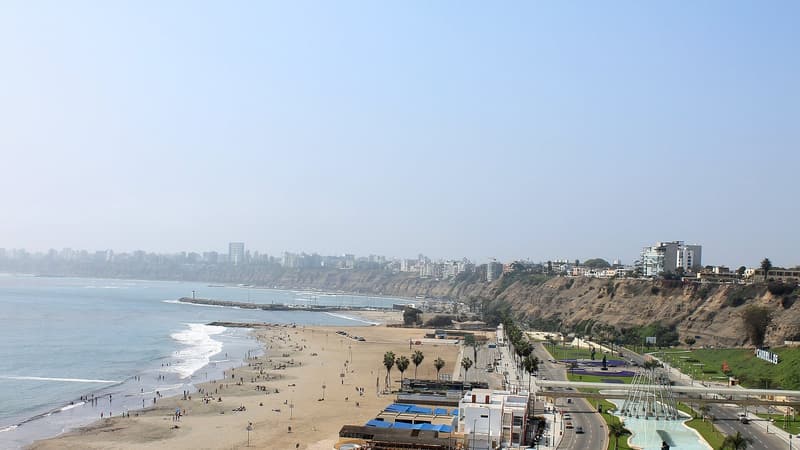
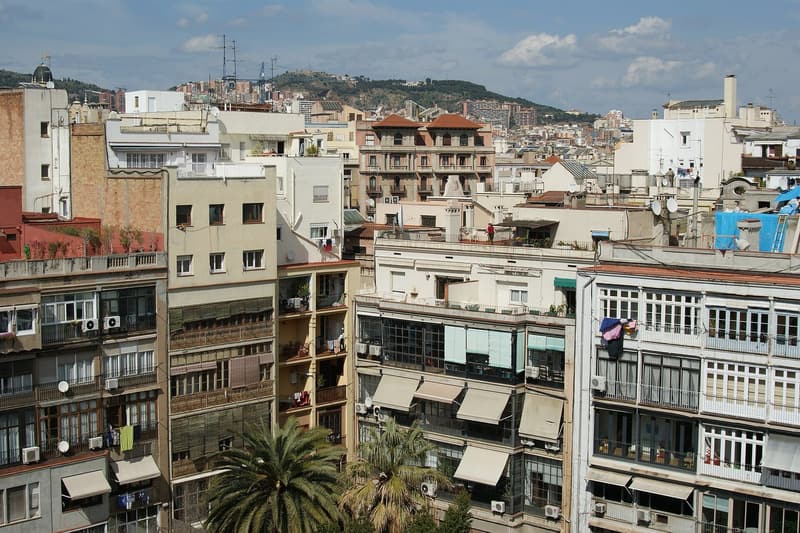
Representative photo · Photo: Mngeorgieva / Wikimedia Commons, CC BY-SA 4.0
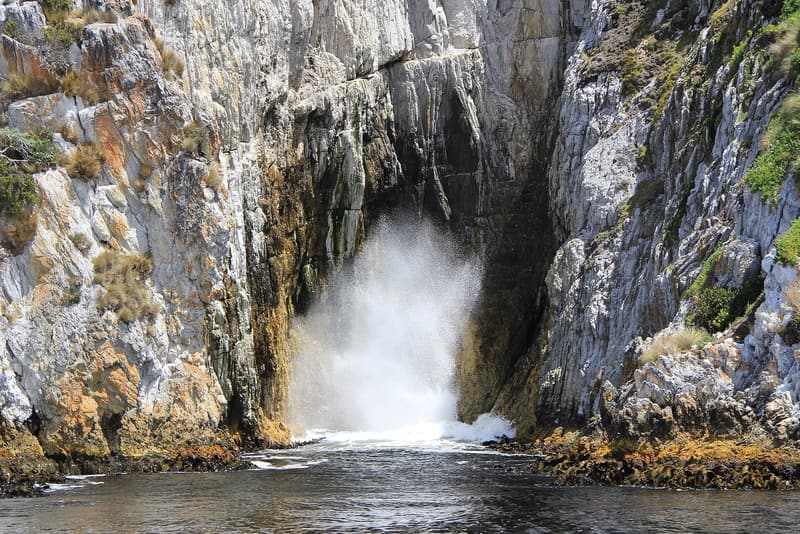
Tourism Tasmania is using reverse psychology to appeal to travelers, positioning the island state as a quiet alternative for those seeking to avoid traditional tourist crowds.
Tourism Tasmania has launched a new marketing campaign that takes a unique approach to attracting visitors. By declaring the island state is "not really for tourists," the organization is utilizing a strategy that some experts suggest relies on reverse psychology. The initiative aims to appeal to individuals who prefer to identify as travelers rather than tourists, a distinction often rooted in the negative connotations associated with the latter term. People often search for Tourism Tasmania to understand the region's appeal, and this campaign specifically targets mainland city dwellers who are stressed and seeking quietness.
A new approach for Tourism Tasmania
The campaign features a short video showing a man abandoning a long queue for a famous pastry to instead seek solitude in the Tasmanian wilderness. Former SBS newsreader Lee Lin Chin, known for her dry humor and avant-garde style, serves as the face of the campaign. In these promotional clips, she explores walking trails and emphasizes the island's slower pace of life. Tourism Tasmania CEO Sarah Kingston Clark described the campaign as a wry reflection of the tensions inherent in modern travel, rather than an anti-visitor stance.
Professor Can-Seng Ooi from the University of Tasmania noted that research suggests tourists often harbor a desire to avoid one another. He explained that the campaign effectively taps into the type of traveler people aspire to be. The aesthetic of the campaign is intentionally Scandinavian, focusing on themes like vinyl records, books, and saunas to evoke a sense of calm. Marketing expert Professor David Waller of UTS suggested the "Come down for air" theme is less about being anti-tourist and more about rejecting the overcrowding often found in popular destinations.
The campaign uses reverse psychology to attract travelers by promising a quiet escape from overcrowded tourist spots.
While the strategy has been praised for its creativity, its ultimate success remains tied to the actual experience visitors have on the ground. Associate Professor Char-lee McLennan of QUT noted that the campaign could provide meaningful economic benefits to regional communities if it successfully encourages visitors to explore areas beyond established hotspots. The effectiveness of the initiative will depend on whether the reality of a Tasmanian visit lives up to the promise of tranquility and whether it can deliver tangible growth for local businesses.
Why it matters
This campaign highlights a growing trend in global tourism where destinations are moving away from mass-market appeal to target specific psychological needs. By addressing the "tensions" of modern travel, Tasmania is attempting to redefine its brand as a sanctuary for those exhausted by urban life.
For travelers, including those in India and South Asia who may be looking for unique international experiences, this shift represents a move toward more curated, quiet travel. It reflects a broader shift in how regional economies are attempting to manage visitor numbers while ensuring that tourism remains sustainable and beneficial for local communities.
Sources
More like this
Ten police officers, 18 fighters killed in northwest Pakistan attack
Ugandan police investigate deaths of four pupils in suspected school poisoning
Protesters Photos Capture Clashes After Housing Rallies In Spain