Tracy Schuchart Notes Bitcoin Trades Like a Risk Asset
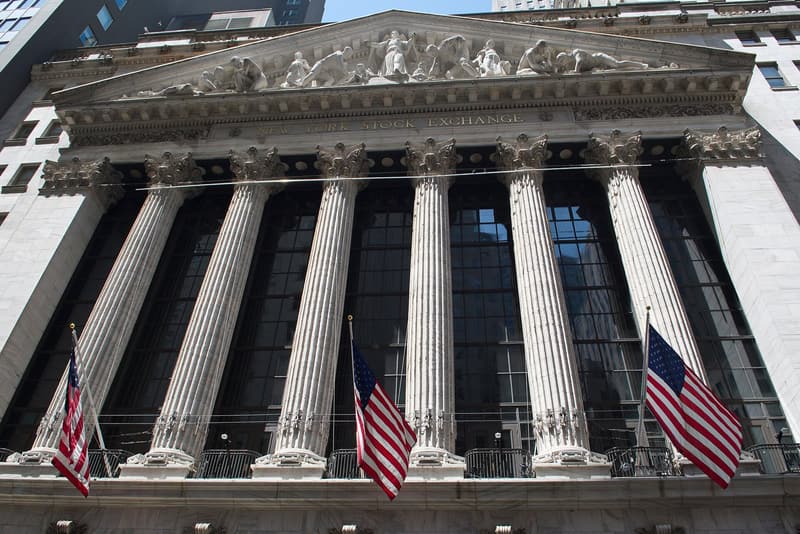
Representative photo · Photo: 颐园居 / Wikimedia Commons, CC BY-SA 4.0
Analyst Tracy Schuchart explains that monetary scarcity remains Bitcoin's core long-term thesis, even as it trades like a risk asset during tightening liquidity.
This is news, not investment advice. NexVani Media is not a SEBI-registered investment adviser and does not recommend buying or selling any security. Do your own research or consult a registered adviser before investing.
According to Tracy Schuchart, monetary scarcity remains the primary long-term argument for Bitcoin, yet market participants need to separate that fundamental thesis from current trading behavior. In a market environment marked by tightening liquidity, rising yields, and a stronger dollar, Schuchart notes that Bitcoin currently behaves much more like a risk asset than a safe haven.
Despite downward price movements, transaction activity for the digital asset has remained strong. Schuchart points out that the long-term underlying argument for the cryptocurrency has not changed, and she continues to anticipate ongoing adoption moving forward.
Bitcoin behaves much more like a risk asset than a safe haven during liquidity tightening.
Tracy Schuchart Insights on Liquidity
The broader market context discussed alongside these digital asset trends includes multiple macroeconomic factors, such as commodity sell-offs, central bank gold buying, energy supply risks, and shifting natural gas demand tied to artificial intelligence data centers. Discussions also cover Federal Reserve interest rate outlooks regarding potential basis point adjustments.
Why it matters
These market observations highlight how macroeconomic pressures and shifting liquidity impact digital assets compared to traditional safe havens. Understanding these distinctions helps market participants evaluate how broader financial conditions and central bank policies influence cryptocurrency behavior without altering fundamental long-term theories.
Sources
More like this
Bitcoin miners face profitability squeeze as difficulty climbs
Just 2.5% of recent Bitcoin buyers’ exchange deposits were in profit

Claude Claims Historic Math Breakthrough One Day After IPO