US Treasury Urges Federal Reserve to Avoid Rate Hikes Amid US Iran War Energy Shock
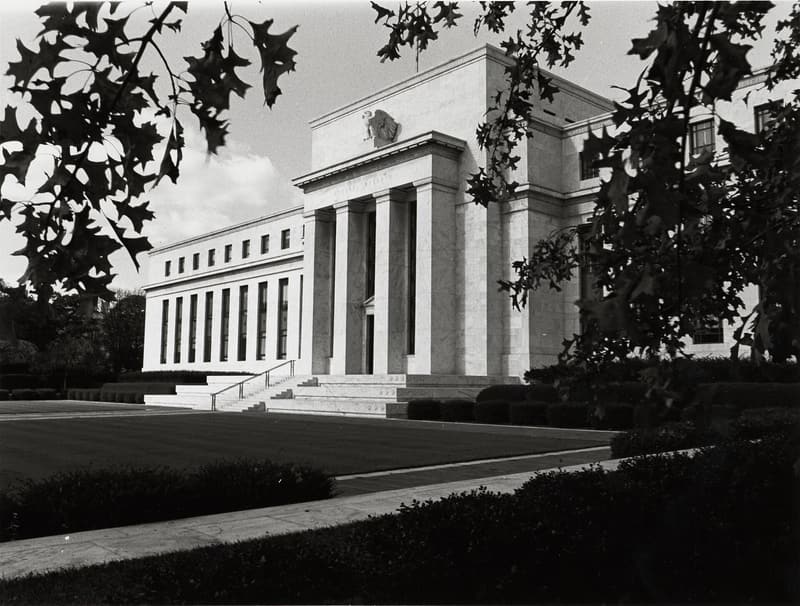
Representative photo · Photo: Federalreserve / Wikimedia Commons, Public domain
The US Treasury has advised the Federal Reserve against raising interest rates during an energy shock linked to the conflict with Iran, despite strong job numbers.
US Treasury Secretary Scott Bessent has publicly advised the Federal Reserve to refrain from increasing interest rates, attributing current market pressures to an energy supply shock stemming from the ongoing conflict involving the US and Iran. Speaking in a recent interview, Bessent argued that policymakers should recognize that underlying economic strength is being overshadowed by temporary energy disruptions and noisy statistics, stating that the central bank needs to focus on future projections rather than looking backward.
The central bank previously decided to hold borrowing costs steady between 3.75 and 4 percent. This policy stance has persisted through several meetings despite sustained pressure from the White House to lower rates amid broader inflationary challenges. Energy costs have experienced notable volatility since the outbreak of hostilities, climbing sharply on a year-over-year basis by September, though comparative figures for October have been limited due to prior federal government disruptions.
Bessent’s remarks followed the release of a stronger-than-expected employment report from the Labour Department, which indicated that the domestic economy added 165,000 jobs in October. While such robust job growth typically supports arguments for monetary tightening, the Treasury official emphasized that officials should maintain an open mind rather than reversing course drastically in response to external commodity shocks.
Treasury official urges Federal Reserve to avoid rate hikes amid energy shocks.
Contrasting views remain present within the central banking institution. Federal Governor Christopher Waller recently expressed his intention to support a quarter-point rate increase at the upcoming December meeting, or a larger 50-basis-point adjustment if consumer price index metrics crossed specific thresholds. Subsequent inflation data showed a 0.4 percent monthly increase, aligning with the higher end of tracked consumer price measurements.
Consumers continue to encounter elevated expenses at petrol stations. Although average prices for a gallon of fuel have retreated from their previous monthly peaks, they remain significantly higher compared to levels recorded immediately following the onset of the conflict in late February.
Why it matters
The ongoing debate over borrowing costs during a regional conflict directly influences global monetary policy directions and commodity expenses. While administration officials advocate for caution to protect economic momentum, persistent inflationary pressures and elevated fuel costs leave central bankers weighing competing economic indicators ahead of their final policy decisions for the year.
Sources
More like this

Jaguar Land Rover Reports Quarterly Loss After Job Cuts
Scott Bessent Criticizes Howard Lutnick Over Megaspeed Export Control Failures

UK’s Biggest Insurers Face Surge in Subsidence Claims Following Record Hot Summer