
UK-EU reset talks go down to the wire ahead of Brussels summit
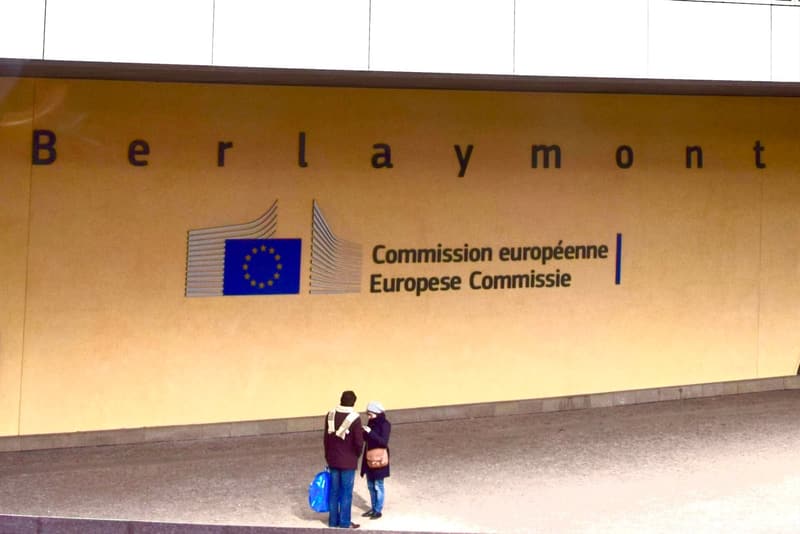
Representative photo · Photo: Ank Kumar / Wikimedia Commons, CC BY-SA 4.0
Negotiations between the UK and EU remain deadlocked over food standards and tuition fees less than 24 hours before a critical summit in Brussels.
As the British government prepares for a high-stakes meeting in Brussels, the latest UK-EU reset talks are poised to go down to the wire. With less than 24 hours remaining before Andy Burnham arrives for a summit with European leaders, significant disagreements persist regarding the future of food regulations and student tuition fees.
Navigating the UK-EU reset
The upcoming summit aims to finalize three key agreements, most notably a food and drink deal that aligns with a Labour manifesto commitment. Projections suggest this deal could increase British GDP by 0.4%, provided it comes into force by March 2028. However, the proposal requires the UK to dynamically align with EU sanitary and phytosanitary standards. EU officials have expressed concern over Britain's desire to act as a rule-maker rather than a rule-taker, insisting that while the UK may have a voice in consultations, it will not be present during the formal drafting of laws.
Diplomatic tensions are also high regarding a proposed youth mobility scheme. The two sides remain at an impasse over whether EU students studying in Britain should pay domestic or international tuition rates. While British officials indicate they are engaging constructively, EU diplomats have suggested that the UK must be prepared to compromise if a deal is to be reached. One EU insider noted that the core of the challenge lies in defining the UK's role in future decision-making processes, a point the EU views as a red line.
The UK and EU face a final deadline to resolve disputes over food rules and student fees.
Beyond food and education, the UK is seeking clarity on the EU’s Made in Europe legislation, which includes trade defense policies and tariffs on Chinese electric vehicles. British officials are concerned about the impact on integrated supply chains and are pushing for language that allows for potential UK inclusion. Although both sides are reportedly close to an agreement on this front, no formalization can occur until the EU passes its own internal legislation. Following the summit, the UK government intends to initiate broader discussions regarding the long-term, stable relationship between the two parties, potentially exploring options such as rejoining the single market.
Why it matters
The outcome of these negotiations will determine the future of trade and mobility between Britain and the European Union. Success could boost the British economy through a significant food and drink agreement, while failure may delay deeper integration and leave critical sectors facing regulatory uncertainty.
These talks set a precedent for how the UK manages its status as a non-member state while maintaining close ties with the bloc. The resolution of these issues will impact British industries, students, and the broader framework of European economic cooperation.
Sources
More like this
As Andy Burnham heads to Brussels, are new Brexit wars about to begin?
Trump administration takes 500 actions to weaken cancer protections, report says

Trump, Xi and Putin Meet in Shenzhen for Unprecedented Trilateral Summit