As Andy Burnham heads to Brussels, are new Brexit wars about to begin?
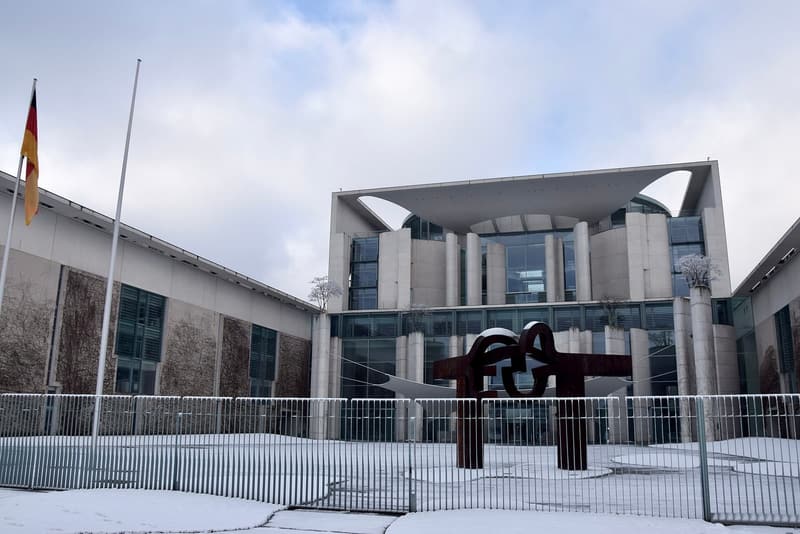
Representative photo · Photo: Ank Kumar / Wikimedia Commons, CC BY-SA 4.0
Prime Minister Andy Burnham is visiting Brussels for EU talks as public opinion in the UK shifts against Brexit, sparking debate over the future of the nation's relationship with the bloc.
Prime Minister Andy Burnham is traveling to Brussels this week for the second UK-EU Summit, an event that has reignited national discourse regarding the country’s post-Brexit path. As Andy Burnham heads to Brussels, the political climate remains fraught with the legacy of the 2016 referendum, a decision that continues to impact British businesses and public sentiment a decade later.
For many, the economic realities of the exit have been stark. Tim Jones, a cheesemaker in Lincolnshire, notes that the transition created significant trade hurdles. "It suddenly made life much harder. We lost certain customers, and it became more expensive to get the cheese there," Jones said. While he originally voted to leave, he admits the process did not unfold as he had anticipated. Recent polling reflects this widespread dissatisfaction; a YouGov survey in September indicated that 55 percent of Britons now believe leaving the EU was a mistake, compared to just 21 percent who maintain it was the right choice.
Navigating the future of Andy Burnham in Brussels
Burnham has adopted a more proactive stance than his predecessor, Keir Starmer, by openly discussing the possibility of rejoining the EU within his lifetime. While he has ruled out immediate, radical changes before the next general election, he plans to initiate long-term discussions following this week's summit. The government is currently prioritizing growth and seeking to improve trade ties, with potential agreements on the table concerning food and drink exports, emissions trading, and youth mobility.
Prime Minister Andy Burnham is seeking to deepen UK-EU cooperation as public support for Brexit continues to decline.
However, the path forward remains complex. The debate is no longer just about leaving, but about the specific terms of any future alignment. Public interest in rejoining is highly conditional, with support fluctuating significantly based on whether the UK would be required to adopt the euro or join the Schengen Zone. Pro-Brexit groups are already mobilizing to counter these shifts in sentiment, relaunching their campaigns to ensure the UK remains outside the bloc.
Why it matters
This summit marks a pivotal moment for the UK government as it attempts to balance economic necessity with a deeply divided electorate. For businesses, the outcome of these talks could determine the future cost and ease of international trade.
While the focus is on European relations, the shift in UK policy highlights the challenges of navigating post-imperial trade dynamics. For observers in India and South Asia, the UK’s evolving relationship with the EU serves as a case study in how major economies manage the complexities of global trade blocks and internal political pressure.
Sources
More like this
UK-EU reset talks go down to the wire ahead of Brussels summit
Trump administration takes 500 actions to weaken cancer protections, report says

Trump, Xi and Putin Meet in Shenzhen for Unprecedented Trilateral Summit