United States Projected to Lose Status as World’s Largest Christian Country
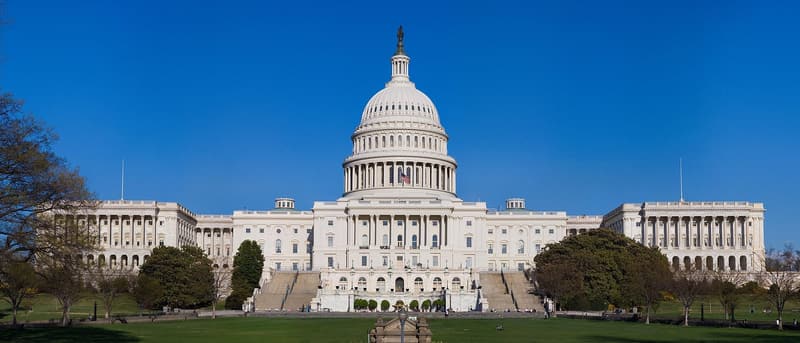
Representative photo · Photo: Noclip / Wikimedia Commons, Public domain
New projections suggest the Democratic Republic of the Congo will overtake the United States as the world's largest Christian nation by 2070 due to shifting demographic trends.
New population projections from the Pew Research Center indicate that the United States is on track to lose its long-held status as the world’s largest Christian country within the next 50 years. If current demographic and religious trends persist, the Democratic Republic of the Congo is expected to surpass the United States in total Christian population by 2070.
This shift reflects a broader demographic movement of Christianity toward sub-Saharan Africa, where population growth is significantly outpacing that of North America and Europe. While the United States will likely retain one of the largest Christian populations globally, it is forecast to lose its Christian majority. By 2070, Christians are expected to account for 47.8 percent of the United States population, a decline from 64 percent in 2020.
The United States is projected to lose its status as the world's largest Christian country by 2070.
Researchers attribute this change primarily to religious switching, noting that Christians tend to lose more followers than they gain through such transitions. Additionally, a rising share of Americans identifying as religiously unaffiliated is a key factor, with that group expected to reach 41 percent of the population by 2070. Because unaffiliated Americans are younger on average than the Christian population, they are projected to grow faster due to higher numbers of individuals within reproductive age ranges.
Religious Shifts and Demographics
The study also highlights shifts among other faith groups in the United States. If current trends continue, both Muslims and Hindus will outnumber the Jewish population, which was the third-largest religious group in the country in 2020. Pew emphasizes that these findings are not definitive forecasts but rather models based on current trajectories of fertility, mortality, migration, and religious affiliation. Factors such as changes in birth rates or immigration patterns could alter these outcomes.
Why it matters
For decades, the United States has held a uniquely influential position in global Christianity, with American institutions and theologians helping shape international debates. As the center of Christian growth shifts toward Africa, religious leaders from that region may carry greater weight in the future.
Domestically, the decline in the Christian majority could impact United States politics and public life, where religion remains a significant factor in cultural debates and voting patterns. Politicians may need to adjust their approaches to religious issues as the demographic landscape of the nation continues to evolve.
Sources
More like this

Migrants Mexico: Caravan Walks Towards US Border

New Orleans Catholic Church Survivors Receive Bankruptcy Settlements

Haitians Celebrate El Salvador Troops Fighting Gangs