Is the US-Israel Iran War Turning Into a Frozen Conflict?
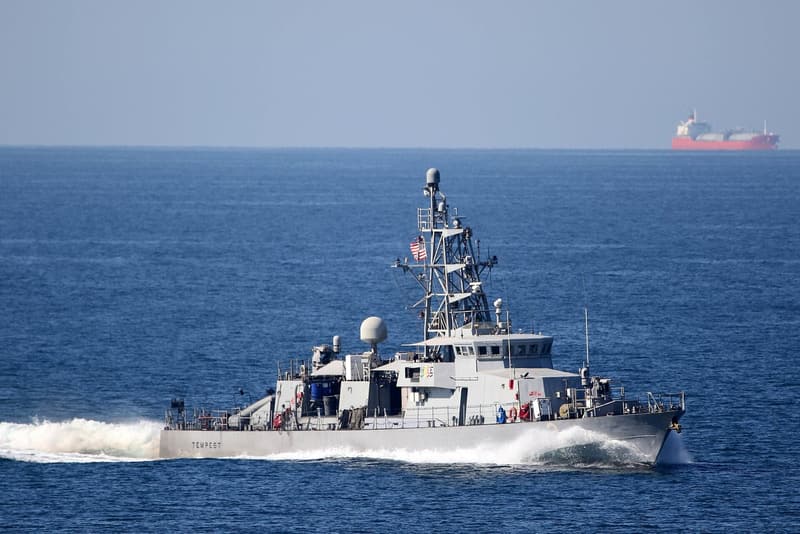
Representative photo · Photo: Official U.S. Navy Page from United Stat / Wikimedia Commons, Public domain
As the US-Israel war on Iran approaches an impasse, Washington signals no need for a deal while Tehran rejects neither war nor peace.
The ongoing us-israel iran war is showing signs of turning into a prolonged stalemate as political pressure mounts in Washington and Tehran maintains a firm stance against coercion. United States President Donald Trump recently stated that Washington does not need a deal with Iran, noting that the Strait of Hormuz and substantial financial assets remain under US control. Trump previously mentioned that the military phase was effectively over, though he noted strikes could resume if diplomacy fails.
These mixed messages coincide with heavy Republican losses in the November 3 midterm elections. Vice President JD Vance attributed the defeat to the unpopular conflict and its economic consequences, particularly rising fuel prices. Analysts suggest internal disagreements within the administration, with some officials comfortable leaving the naval blockade of Iranian ports and ongoing sanctions in place. Iran has declared these measures red lines, insisting it will not reopen the Strait of Hormuz or resume talks until sanctions and the blockade are lifted.
The US-Israel war on Iran risks becoming a frozen conflict as neither side yields.
President Masoud Pezeshkian stated that Supreme Leader Mojtaba Khamenei ordered officials to end the state of neither war nor peace, signaling readiness to negotiate without yielding to coercion. Chief negotiator Mohammad Bagher Ghalibaf asserted that the ball remains in the American court. Muhanad Seloom, an assistant professor at the Doha Institute for Graduate Studies, noted that the conflict has shifted from an air campaign to a siege involving a US naval blockade and tanker attacks in the strait.
Public polling indicates widespread opposition to the conflict, with nearly 70 percent of surveyed Americans believing the war is not worth fighting. With control of Congress lost to Democrats, analysts argue that further military escalation carries severe political risks for the administration, while lifting the blockade without concessions would leave Washington with little to show for the eight-month campaign.
Why it matters
The deadlock leaves global trade and regional stability hanging in the balance, affecting international shipping routes and energy markets. For the US, the political fallout from the midterm elections and low public support mean any major military escalation or ground operation is heavily constrained.
Sources
More like this
Guinea Jails 200 People in Siguiri Illegal Gold Mining Crackdown
Journalist Who Investigated Drug Trade Killed by Gunmen in Costa Rica
Rebeca Grynspan emerges as frontrunner for UN Secretary-General role