US Midterm Candidates Use Personal Style to Signal Political Identity
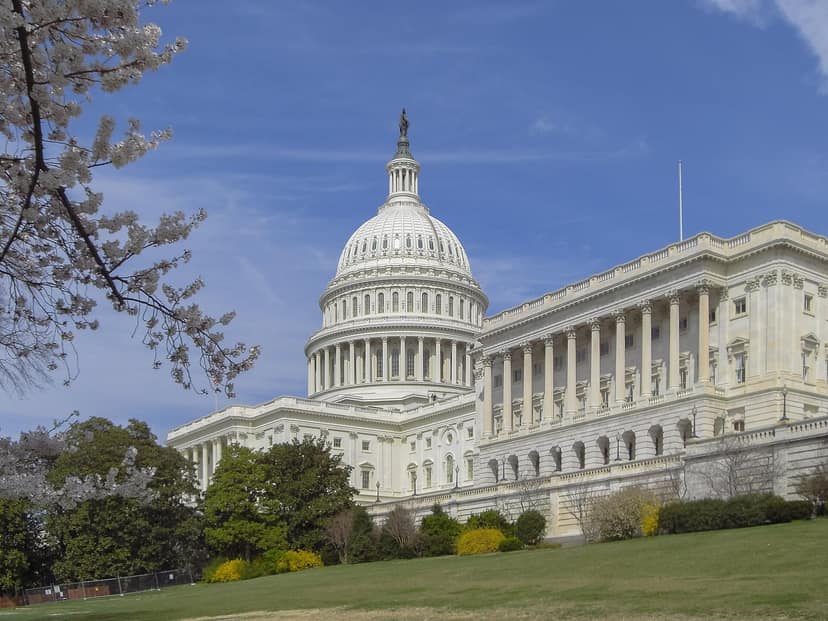
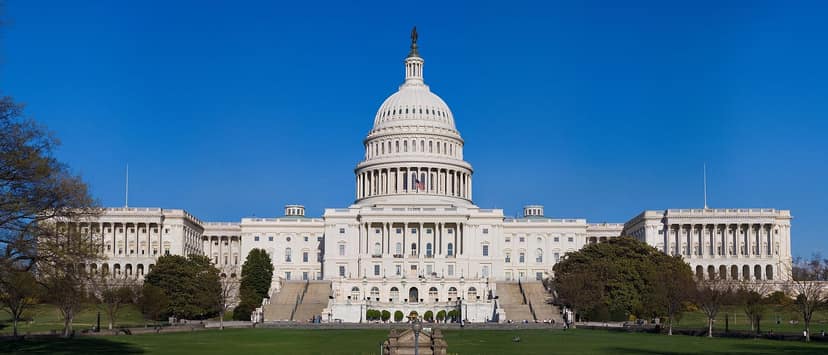
Representative photo · Photo: Noclip / Wikimedia Commons, Public domain
As US midterm elections approach, congressional candidates are leveraging their personal fashion choices to connect with voters and project authenticity in a digital-first campaign landscape.
As Americans prepare to vote in the upcoming US midterm elections, congressional candidates are increasingly using their personal style to attract voter attention and communicate their political message. In the age of social media, clothing has evolved into a vital tool for projecting authenticity, with candidates carefully curating their wardrobes to look both capable of holding office and connected to the people they represent. This focus on campaign trail fashion has become a key strategy for those vying for a seat in Congress.
The Outdoor Aesthetic
Several candidates are leaning into a rugged, outdoorsy image to signal their ties to their home districts. Democrat Marie Gluesenkamp Perez, who represents Washington's 3rd Congressional District, frequently appears in practical work jackets, flannel shirts, and jeans. As a former car repair shop owner, her low-fuss style reinforces her platform of supporting working families and small businesses. Experts note that this look resonates with the Pacific Northwest, effectively grounding her identity in her region.
Similarly, Democratic lawmaker Mary Peltola, running for a Senate seat in Alaska, utilizes outdoor gear to highlight her background working on fishing boats. By wearing traditional Yup'ik boots and durable puffer jackets, she reminds voters of her deep roots in the state and her campaign focus on family and local industry. These choices serve as a visual shorthand for her background as a Native Alaskan.
Candidates are using personal style to project authenticity and connect with their specific voter base.
Americana and Traditionalism
Conversely, other candidates are opting for a bolder, patriotic visual identity. Republican Senate candidate Ashley Hinson of Iowa has embraced classic Americana, often pairing denim dresses with bandanas. Her choice of footwear—pumps bedazzled with the American flag—has been described as a way to wear her patriotism on her sleeve. Analysts suggest this strategy helps cultivate a clear, unmistakable identity for rural voters in a competitive race.
In Texas, the shift in political style is also evident. Both top prosecutor Ken Paxton and Democratic state lawmaker James Talarico have been spotted wearing relaxed blazers paired with cowboy boots, reflecting a shared regional aesthetic despite their differing political affiliations.
Why it matters
This trend highlights how political communication has shifted toward visual branding in a digital era. By adopting specific clothing styles, candidates are attempting to bypass traditional policy rhetoric to establish an immediate, relatable connection with their constituents.
For international observers, including those in India and South Asia, this underscores the global evolution of political campaigning. As digital platforms become the primary stage for electoral contests, the ability to curate a visual identity that resonates with specific demographic groups is becoming as critical as the policy platforms themselves.
Sources
More like this
Brazil summons Argentine diplomat over Flavio Bolsonaro's flight to US
Tribunal rules Australian spy hearing on Timor-Leste bugging can be public

US judge orders ethics inquiry into Trump lawyers over golf course case