US Cancels G20 Family Photo as Nations Boycott Russia
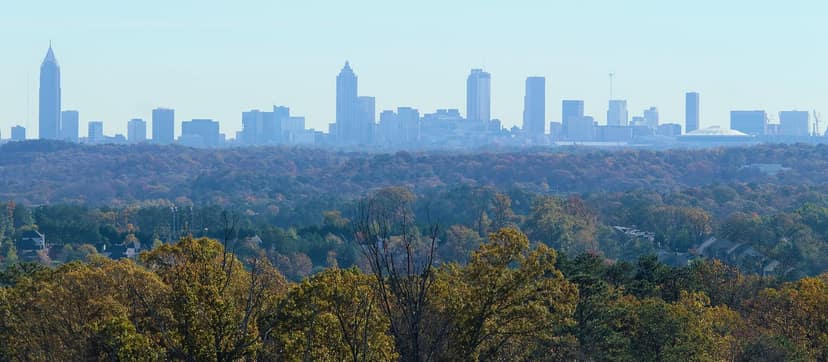
Representative photo · Photo: brandon walker / Wikimedia Commons, CC0
US Secretary of State Marco Rubio called off the traditional G20 group photo in Atlanta after around a third of nations refused to stand alongside Russia.
US Secretary of State Marco Rubio abruptly called off the traditional G20 family photo at a meeting of foreign ministers in Atlanta after roughly one-third of participating nations refused to share the stage with Russian Foreign Minister Sergei Lavrov.
Western delegates made their boycott plans known prior to the opening events. European Union officials refused any collective photo alongside Moscow's envoy, with German Foreign Minister Johann Wadephul stressing that European partners would not participate because relations with Russia cannot be treated as normal. British Foreign Secretary Ed Miliband similarly affirmed that the United Kingdom maintains a longstanding policy against engaging with Russian officials in such settings.
The G20 family photo was cancelled after roughly one-third of nations refused to stand beside Russia.
Rubio proceeded to open the sessions by calling for international unity in the face of interconnected geopolitical and economic problems. However, tensions quickly surfaced during the talks. Australian Foreign Minister Penny Wong confronted Lavrov directly, condemning Russia's invasion of Ukraine and pointing out that the ongoing conflict has damaged global markets and deepened food insecurity. An Australian spokesperson stated that Canberra backed the decision to scrap the photo op, reiterating that Australia will not normalize Russia's actions.
The friction in Atlanta reveals widening cracks caused by the Trump administration's efforts to bring Russia and President Vladimir Putin back into multilateral gatherings despite the war in Ukraine. Attendees reported that although discussions remained polite, Russia showed no flexibility regarding Ukraine and continued its resistance to admitting Poland as a formal G20 member. Polish Deputy Prime Minister and Foreign Minister Radosław Sikorski, attending as an invited guest, observed that achieving a common stance is difficult when warring nations sit together at the table.
Further rifts emerged over summit invitations. Host officials excluded Ukraine to focus only on full members, while Poland participated with US backing in pursuit of formal entry. However, the Trump administration also chose not to invite South Africa, a founding member and the sole African nation in the group, following diplomatic disputes. South African officials confirmed their absence was not voluntary. Diplomats admitted that these disputes will almost certainly stop ministers from agreeing on a final joint communique, though delegates pledged to continue discussions ahead of next month's leaders summit in Florida.
Why it matters
The abandonment of the traditional group photograph and the likely failure of a concluding joint statement reveal how deeply the group is fractured. When international ministers cannot agree even on diplomatic formalities or collective declarations, multilateral efforts to address severe global economic challenges and food security risks stall.
These impasses prevent coordinated global action on volatile commodity markets and trade disruptions, leaving nations worldwide vulnerable to the economic fallout of unresolved international crises.
Sources
More like this
ICE agents point firearm at bystander during North Hollywood arrest
Inside the personal crisis kits people worldwide are building
Thai Human Rights Lawyer Sentenced to Over 34 Years for Lèse Majesté