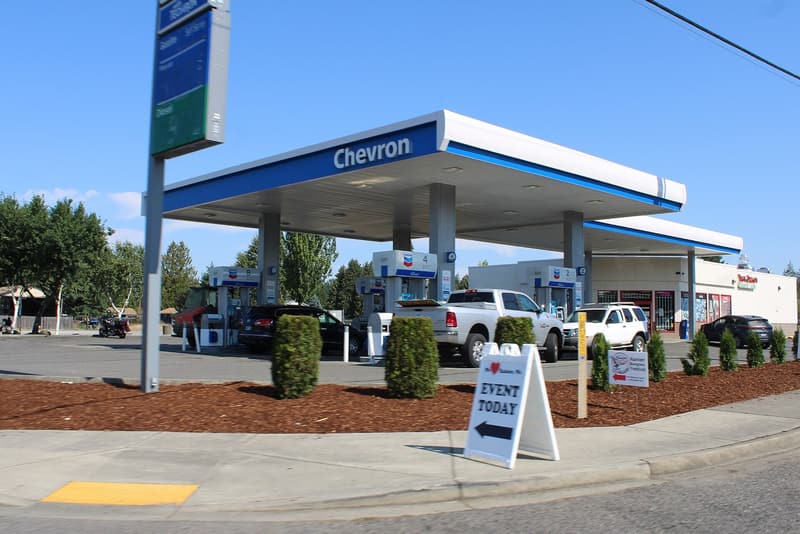
US Oil Firms Earn $130bn as Household Bills Surge Amid Conflict
Representative photo · Photo: Chris Light / Wikimedia Commons, CC BY-SA 4.0
Large American oil and gas companies have posted massive profits exceeding $130bn during the war on Iran while consumer costs soar.
United States oil companies have earned more than $130bn in profits during the conflict on Iran, even as consumers pay significantly higher prices for key commodities. This financial estimate is based on the performance of 51 large US oil and gas companies over a six-month period from April through September. By contrast, during the same period in 2025 when prices were lower prior to the launch of operations, these firms collectively earned less than $47bn. The gains arrive as surging living costs place heavy financial pressure on households. Americans have spent an extra $150bn on petrol and diesel since the conflict began, averaging more than $1,150 per household. This severe disparity has sparked intense political debate over who benefits and who pays the price for the hostilities. Lawmakers and analysts continue to debate how iran and us war started and how the ongoing economic fallout will unfold across global markets.
Major firms such as ExxonMobil and Chevron reported substantial quarterly profits, though generally remaining below peak 2022 levels when the Ukraine conflict pushed energy prices even higher. Meanwhile, refining companies experienced extraordinary gains due to tightened global fuel supplies and heavy infrastructure damage in the Middle East and Russia. Valero Energy reported a multi-fold increase in third-quarter profit, and Phillips 66 announced its highest quarterly net income on record. Analysts noted that US operators are structurally well positioned to monetise risk premiums, while regional producers face severe physical damage and rising operational costs.
US oil giants secure massive profits while household energy and fuel expenses surge.
Global Supply Shocks and Rising Commodity Prices
Retaliatory actions following initial strikes have heavily impacted regional energy infrastructure. Iran and associated groups launched numerous attacks targeting nonmilitary infrastructure across Gulf Cooperation Council member states, alongside blockading maritime traffic through the Strait of Hormuz. In response, the United States imposed naval restrictions on Iranian energy exports, compounding transport risks. Strategic analysts warn that continued volatility will persist until a durable political settlement is reached between Washington and Tehran. Furthermore, overlapping conflicts in other shipping lanes have exacerbated global supply chain disruptions.
Why it matters
The conflict has driven up global costs for oil, transport fuels, gas, electricity, and food, affecting consumers worldwide through persistent inflationary pressure. While energy firms strengthen their balance sheets, prolonged insecurity threatens economic growth prospects and consumer purchasing power.
Sources
More like this

Poundland's former owner offers financial support amid administration threat

Ryanair Faces Potential Union Clash Over Planned Pay Freezes

Oman and China Sign Agreements to Strengthen Economic Ties and Investment