Arab Parties Back Eisenkot in Israel Coalition Talks
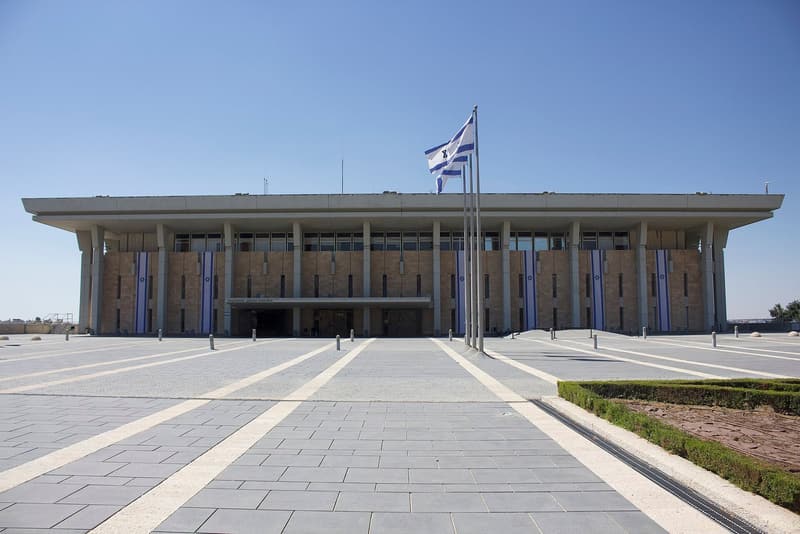
Representative photo · Photo: Clema12 / Wikimedia Commons, CC BY-SA 4.0
Israel's Arab parties are set to back opposition leader Gadi Eisenkot's bloc, dealing a blow to Prime Minister Benjamin Netanyahu's chances of forming a government.
Israel's Arab parties, which secured a record nineteen seats in the recent general elections, are preparing to support opposition leader Gadi Eisenkot's bloc. This move significantly diminishes Prime Minister Benjamin Netanyahu's prospects of establishing another administration as political maneuvering continues across the country.
The primary Jewish opposition bloc, consisting of four parties, fell short of the sixty-one seats required for a Knesset majority. However, joining forces with the two main groups representing Palestinian citizens of Israel could prevent a political deadlock and avert another round of elections. The "Change" opposition bloc has previously ruled out any alliance with Netanyahu due to security failures surrounding the October 7 Hamas attacks and his ongoing corruption trial.
Accepting backing from Arab parties presents political difficulties for Eisenkot from the right wing. Leaders across the political spectrum, including Netanyahu, have utilized anti-Arab rhetoric to attract Jewish voters. Meanwhile, the minority Arab population has experienced increased marginalization since October 7, with several political activists and lawmakers facing brief arrests over comments regarding military actions in Gaza and the West Bank.
A conservative and far-right coalition led by Netanyahu's Likud party won fifty-three seats in the one-hundred-twenty-seat Knesset, failing to reach a majority. Conversely, the opposition bloc led by Gadi Eisenkot captured forty-eight seats. Concurrently, the Arab-led Joint List and Ra'am achieved unprecedented success as voter turnout among Arab citizens reached approximately eighty percent. Ra'am secured eight seats, while the Joint List won eleven.
Although the Arab bloc expressed openness to collaborating with the opposition, speculation persisted that Eisenkot might reject their support to avoid alienating the broader Jewish public. Only one Arab party, Ra'am, has successfully participated in a governing coalition back in 2021, a government that survived for less than two years. Netanyahu has repeatedly alleged, without providing proof, that Arab parties committed electoral fraud with foreign backing, though election officials confirmed the integrity of the vote remains intact.
Navigating Future Alliances
Representatives from the Joint List and Ra'am indicated they intend to cooperate with the opposition bloc to remove Netanyahu rather than formally join a government. Ra'am leader Mansour Abbas expressed willingness to enter an Eisenkot government if granted the internal security portfolio, while the Joint List stated it would vote alongside the opposition to enable a minority administration. President Isaac Herzog is scheduled to meet with leaders of the eleven elected parties to determine the preferred candidate for prime minister.
Why it matters
Political wrangling is still ongoing as all blocs weigh potential paths to power, which could alter the future composition of Israel's government and leadership.
Sources
More like this

Nigel Farage to End Regular Column for the Telegraph

Texas Muslims Eye Local Stakes Amid Rising Islamophobia in Midterms
US Senate Races to Watch As Control of Congress Hangs in Balance