Utah moves to dismiss criminal charges against Kalshi after trading halt
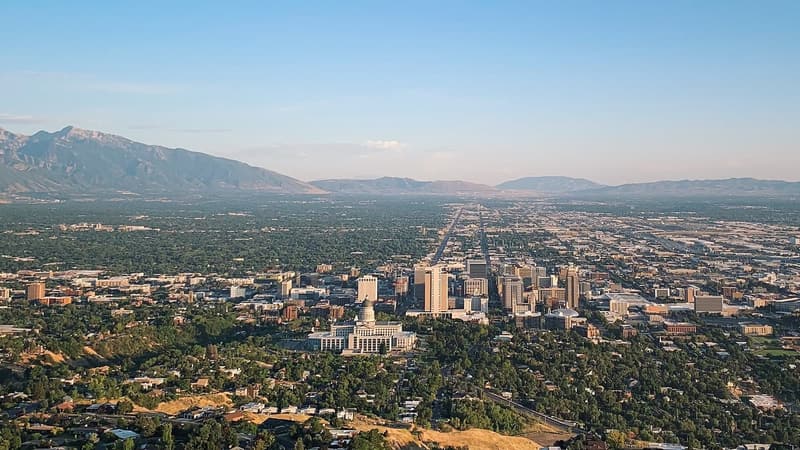
Representative photo · Photo: Iansmh98 / Wikimedia Commons, CC BY-SA 4.0
Utah officials have dropped criminal charges against prediction market Kalshi after the platform blocked state users, though civil litigation remains active.
This is news, not investment advice. NexVani Media is not a SEBI-registered investment adviser and does not recommend buying or selling any security. Do your own research or consult a registered adviser before investing.
Utah’s attorney general has moved to dismiss 14 criminal charges against the prediction market platform Kalshi and its two co-founders. The decision follows the company's move to block users in the state from accessing its services, a development that has brought significant attention to the ongoing Utah Kalshi lawsuit. The motion to dismiss the case without prejudice was filed Monday in Utah’s Third District Court, which allows prosecutors the flexibility to refile charges should the platform resume operations within the state.
Utah Kalshi lawsuit developments
The state initially opened a criminal investigation into Kalshi in September, leading to charges filed on Oct. 28 that alleged the company provided illegal gambling services to residents. In response, Kalshi implemented measures to restrict access to its platform for users in Utah and began monitoring for attempts to bypass these restrictions via local IP addresses. Attorney General Derek Brown stated that his office would continue to enforce state gambling laws against other prediction market operators, noting that six other companies have already agreed to stop operating in the state following cease-and-desist letters.
Utah has dismissed criminal charges against Kalshi but reserves the right to refile if the platform returns.
While the criminal case is currently on hold, a separate civil lawsuit remains active. Initiated by Utah on Oct. 20, this litigation involves both Kalshi and its market-making partner, Susquehanna International Group. The state is seeking restitution, damages, and the recovery of proceeds from what it describes as illegal gambling activities. The complaint estimates that Kalshi collected between $30.6 million and $61.2 million in fees from Utah-based accounts through mid-October. Kalshi General Counsel Yaakov Roth remarked on X that the company believes good faith jurisdictional disagreements should not be treated as criminal matters and expressed a willingness to cooperate with state officials while the regulatory dispute proceeds through the courts.
Why it matters
The legal landscape for prediction markets remains complex as federal and state authorities clash over jurisdiction. The US Commodity Futures Trading Commission (CFTC) filed its own lawsuit against Utah on Oct. 27, seeking to prevent the state from enforcing its gambling laws against federally regulated prediction markets. The CFTC maintains that it holds exclusive jurisdiction over event contracts, a position it is currently defending in lawsuits against at least 12 states. This conflict highlights the broader regulatory uncertainty facing digital prediction platforms as they navigate varying state-level restrictions while asserting federal compliance.
Sources
More like this

Hackers Breach CIA Intelligence Network in Latest US Cyberattack

Bitcoin faces potential market volatility as US prepares new trade tariffs

Bitcoin Faces Six-Year Moving Average Test Similar to FTX Crash