US Under Fire Over Transparency in Handling Billions in Venezuelan Oil Revenue
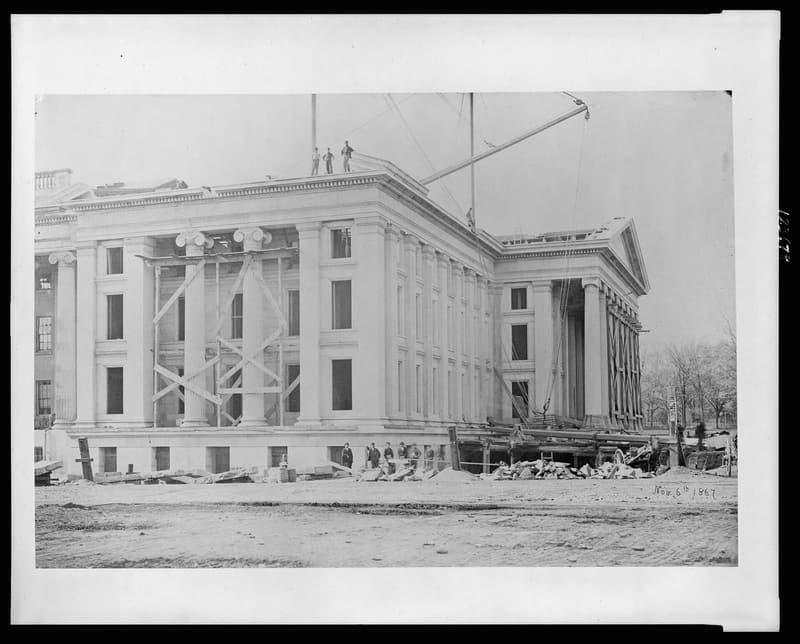
Representative photo · Photo: Miscellaneous Items in High Demand, PPOC / Wikimedia Commons, Public domain
The US administration faces sharp criticism regarding transparency over billions in Venezuelan oil revenue collected under Treasury control.
The administration of United States President Donald Trump is facing intense criticism over how it has handled billions of dollars in oil revenue collected from Venezuela. Since January 3, the US government has controlled Venezuela’s oil exports, gathering the funds in an account overseen exclusively by the US Treasury.
Last week, the Department of State released a 53-page report to shed light on the account. It revealed that at least $12.11bn have passed through the account since the start of the year. However, critics argue the report lacks essential details about the origin and destination of the funds. Tyson Slocum, director of the energy programme at Public Citizen, noted that there has been zero transparency on the financial engineering involved in how the money changed hands and was used.
Concerns began late last year when the US started seizing oil tankers leaving South America. President Trump and his administration framed the confiscated fuel as compensation for losses incurred when Venezuela nationalised its oil industry decades ago. White House aide Stephen Miller described the expropriation as the largest recorded theft of American wealth and property. Tensions culminated on January 3 when Trump authorised a military operation to abduct Venezuelan President Nicolas Maduro, citing oil wealth as a key factor in the decision. Maduro was subsequently replaced by former vice president Delcy Rodriguez, who has cooperated with US demands.
Legal experts have questioned the legality of seizing another country’s natural resources and attacking national sovereignty, pointing to a 1962 United Nations resolution granting nations permanent sovereignty over their own resources. Meanwhile, supporters of the actions point to Maduro's history of repression as justification. Analysts like former US ambassador John Feeley have criticised the relationship as protectorate neocolonialism, noting Trump's apparent disinterest in democratic elections.
## Recent Oil Deals Raise Further Speculation
Manoeuvres later in the year have heightened speculation regarding transparency. In late August, Trump announced a direct stake in extracting nearly a fifth of Venezuela's oil. Under a 100-year deal for 17 oilfields with proven reserves of 65 billion barrels, North American Blue Energy Partners gained operational rights. The Pentagon secured a 35 percent stake, and the US was guaranteed 20 percent of the oil output at cost in what Trump called the biggest oil deal in history.
The US government faces scrutiny over transparency regarding billions of dollars in Venezuelan oil revenue.
Why it matters
Democratic leaders have stated plans to investigate the administration's dealings with Venezuela after gaining control of Congress. This scrutiny could shape future US foreign policy and resource management, impacting international relations and global energy markets.
Sources
More like this
Judge grants Donald Trump an extended deadline in BBC defamation lawsuit

Hashim Thaci Convicted Again in The Hague Amid Kosovo Debate
Markwayne Mullin Defends Private Jet Trip Amid Widespread Flight Delays