US Navy Chief Admits Strain from Iran War at Confirmation Hearing
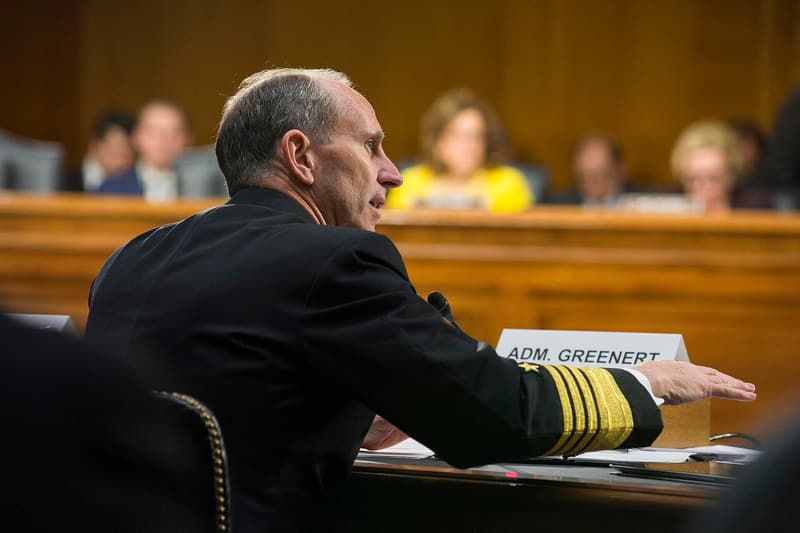
Representative photo · Photo: Official U.S. Navy Page from United Stat / Wikimedia Commons, Public domain
Acting Navy Secretary Hung Cao faced tough questioning from senators over resource strains, low crew morale, and leadership transparency amid the ongoing Iran war.
United States Acting Navy Secretary Hung Cao acknowledged during a Senate Armed Services Committee confirmation hearing on Tuesday that the navy iran war has placed a heavy burden on maritime forces. Testifying before lawmakers, Cao faced bipartisan scrutiny over extended ship deployments, dwindling weapons reserves, and resources redirected away from the Asia-Pacific region during the conflict, which is now deep into its ninth month.
"This war, again, I know it’s a strain on our navy," Cao stated, while arguing that joint military actions have pushed China back. Cao, a retired US Navy captain nominated by President Donald Trump for the permanent civilian post, has served as acting secretary since April 2026. The hearing occurred amid political fallout from the protracted campaign, which recently saw an unsuccessful impeachment bid against Defense Secretary Pete Hegseth.
Lawmakers intensely questioned Cao about low crew morale, severe supply shortages, and mental health challenges aboard the USS Abraham Lincoln following a record-breaking 265-day deployment. Democratic senators also criticized the navy for bypassing standard congressional notification when quietly relieving the leadership team of the USS South Dakota after an underwater collision in October. While Cao defended the secrecy as a way to protect careers, Senator Jack Reed and other Democrats argued that privacy does not override congressional oversight.
The ongoing conflict with Iran has severely strained US naval resources, fleet readiness, and crew morale.
Cao further pushed back on deployment lengths, stating he does not control timelines that have pushed ships closer to a full year at sea. Beyond facing questions regarding fleet readiness, Cao's path to confirmation remains complex. Because he left active-duty service in October 2021, he requires a rare congressional waiver and a 60-vote threshold to satisfy the seven-year separation period mandated by federal law.
Why it matters
The intense Senate hearing highlights the mounting human, material, and political costs of prolonged military engagements on the United States armed forces. The scrutiny over leadership shake-ups, crew welfare, and stretched maritime resources reflects broader legislative concerns regarding military transparency and congressional oversight during times of extended conflict.
Sources
More like this

Hashim Thaci Convicted Again in The Hague Amid Kosovo Debate

Markwayne Mullin Defends Private Jet Trip Amid Widespread Flight Delays

Using law to silence abuse victims is ultimate gaslighting, MPs told