Victims of Nazi persecution in Poland appeal to German civil society for support
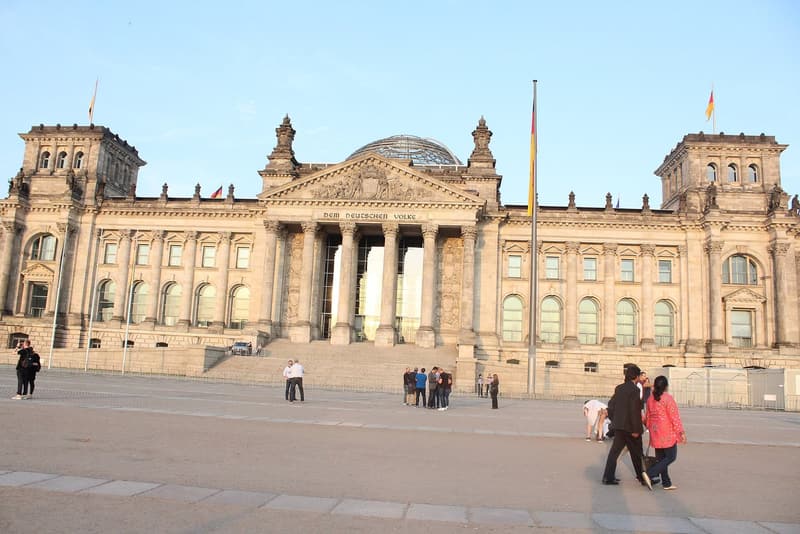
Representative photo · Photo: Sami Mlouhi / Wikimedia Commons, CC BY-SA 4.0
Elderly survivors of Nazi-era crimes in Poland are calling on the German public for humanitarian aid as official government reparations remain stalled.
More than 80 years after the conclusion of World War II, survivors of Nazi persecution in Poland have launched a desperate appeal for humanitarian assistance. Organizations representing these individuals, many of whom are now over 90 years old, published a plea on November 5 calling on German civil society, including private citizens and businesses, to provide support. These survivors, who include former concentration camp inmates and those subjected to forced labor, are struggling with declining health and the rising costs of daily living.
The struggle of victims of Nazi persecution
While the German government has acknowledged its moral responsibility regarding the atrocities committed during the occupation, a concrete decision on state-level reparations remains elusive. The issue has long strained relations between Berlin and Warsaw. Although previous German administrations provided funds to Holocaust survivors and former forced laborers following the 1989 democratic transition, many in Poland view these past efforts as insufficient given the scale of the crimes, which resulted in the deaths of approximately 6 million Polish citizens.
Elderly survivors of Nazi crimes in Poland are urgently seeking humanitarian support from German civil society.
Recent political efforts to secure state funding have faced significant hurdles. While the German government pledged in late 2025 to analyze possibilities for additional support, officials have noted that the current draft budget does not include provisions for a formal humanitarian gesture. Franziska Brantner, co-chair of the opposition Greens party, confirmed that a parliamentary request to secure such funding was rejected by the budget committee, though she noted that efforts to advocate for a change in the final review session are ongoing.
The Foundation for Polish–German Reconciliation has begun collecting private donations to assist survivors. While the foundation has raised over €35,000 to date, chairman Jakub Deka described the amount as a small fraction of what is needed. The urgency of the situation is underscored by the passing of many survivors, such as Jerzy Tarasiewicz, who died in September at the age of 84 without receiving the support he had long awaited. For those still living, the window for meaningful assistance is closing rapidly.
Why it matters
The ongoing debate over reparations highlights the unresolved trauma of the Nazi occupation for Polish society, where a majority of citizens feel that German acknowledgment remains inadequate. The failure to reach a state-level agreement leaves thousands of elderly survivors in a precarious position, relying on the hope that private donations or a last-minute policy shift in Berlin will provide necessary aid before it is too late.
Sources
More like this
Trinidad Activist Wins 10-Year Legal Battle Against Colonial-Era Laws

Why Sydney is famous for its vibrant purple Jacaranda blooms

Spain Braces for Nationwide Strike Over Housing and Living Costs