UK Oil Firm Fined After Hundreds of Permit Breaches
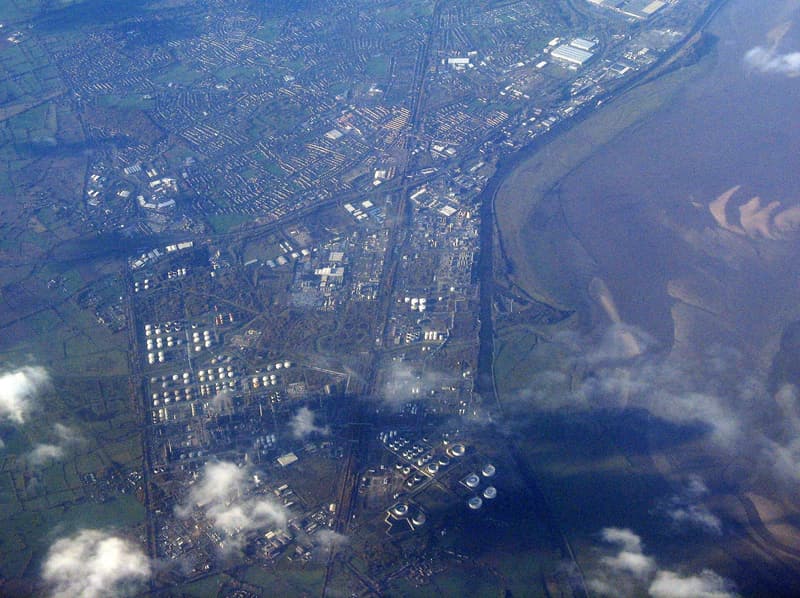
Representative photo · Photo: M J Richardson / Wikimedia Commons, CC BY-SA 2.0
Essar Oil UK must pay nearly £900,000 following hundreds of permit violations and wastewater discharges between 2018 and 2020.
One of the largest refinery operators in the United Kingdom has been penalized heavily after multiple violations of environmental regulations over a three-year span. Officials announced the financial penalty following numerous wastewater exceedances tied to major oil firms operating in the region. Essar Oil UK Limited admitted responsibility for a dozen separate offenses at a local court hearing.
Magistrates ordered the organization, which carries out business under the name EET Fuels, to pay a substantial monetary penalty alongside additional legal expenses. The enforcement agency stated that the Stanlow refinery located in Cheshire surpassed authorized discharge thresholds nearly 500 times between 2018 and 2020. Ten specific charges directly involved pollutants such as cyanide, oil, and various suspended solids entering nearby waterways including Thornton Brook, the Manchester Ship Canal, and the River Gowy.
Environmental Impact Across Waterways
Investigators documented multiple instances of pollution during the operational period. In early 2019, a considerable quantity of chemicals leaked into the ship canal due to an open vent valve and a failure to adhere to established safety protocols. Approximately a month afterward, a contractor vehicle damaged an effluent pipe, causing partially treated sewage to flow into Thornton Brook, a watercourse connected to the Mersey Estuary.
Major refinery operator fined nearly £900,000 for hundreds of environmental permit breaches.
Field officers observed visible oil sheens on local water systems, while plant life situated downstream appeared heavily blackened. Representatives for the enterprise expressed regret regarding the historical violations and highlighted that significant funding has since been directed toward upgrading environmental safeguards. According to management, capital expenditure reached past twenty million pounds to redirect wastewater toward alternative treatment facilities, leading to reduced freshwater consumption and lower discharge frequency.
Why it matters
This judicial outcome highlights the strict enforcement of environmental regulations for industrial operations situated near sensitive aquatic ecosystems. The penalties and subsequent infrastructure upgrades demonstrate the legal consequences of failing to maintain compliance with discharge permits governing local waterways.
Sources
More like this

San Francisco breaks rain record as atmospheric river hits California

Race to Replant Five Ancient Baobab Trees in South Africa

Uganda Landslide Survivors Take Case to UN Over Relocation