Westminster debates response as pro-Brexit campaign resurfaces
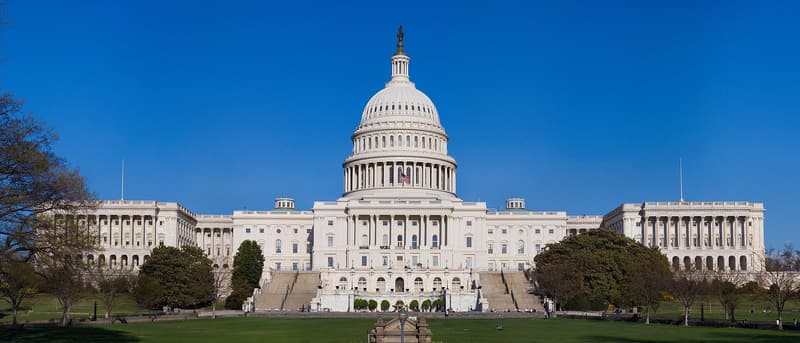
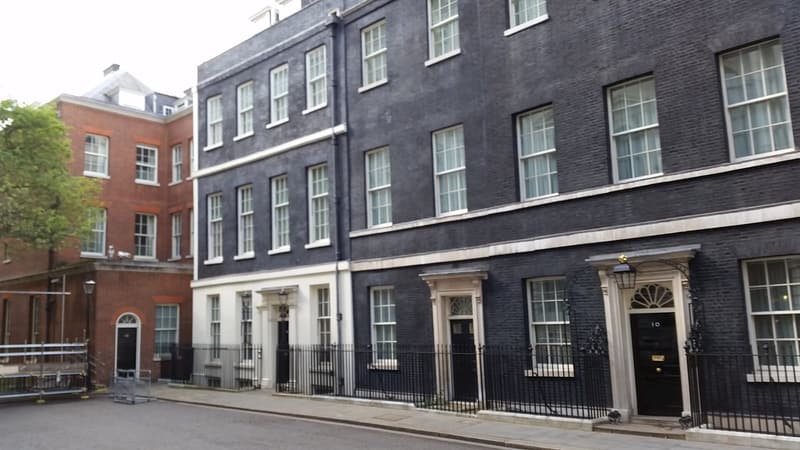
Representative photo · Photo: RachelH_ / Wikimedia Commons, CC BY 2.0
A new pro-Brexit campaign has launched, sparking internal debates within Westminster over whether the government should lead the response or if a new movement is required.
The sudden launch of a pro-Brexit campaign, dubbed Stay Out, has caught many in Westminster by surprise. The group, led by former deputy chief Brexit negotiator Oliver Lewis, released a video on X featuring footage of civil unrest in France and claims regarding the cost of European Union membership. While the arguments mirror familiar themes, the emergence of the campaign has prompted immediate questions about how the government, and specifically the Prime Minister, should address the issue of whether Andy Burnham will leave the ECHR or pursue closer ties with Europe.
Inside Downing Street, there is a sense of confidence that the Prime Minister can effectively advocate for a closer relationship with the EU without relying on external pressure groups. Labour strategists point to internal polling suggesting that 71% of voters support closer European ties if such a policy contributes to economic growth and lower prices. The government intends to frame the debate by arguing that Brexit has negatively impacted the economy, hindered trade, and exacerbated the small boats crisis. Supporters of this approach argue that unlike previous attempts to maintain the status quo, the current administration represents a platform for change.
Addressing the new pro-Brexit campaign
Despite the confidence within No 10, some party members and remain veterans express concern about the lack of an organized counter-infrastructure. Currently, rebuttals to claims made by Stay Out—such as the assertion that rejoining the EU would cost £750 million per week—are being handled primarily by independent freelancers on social media. Some MPs suggest that any formal pro-rejoin movement would need to be distinct from previous efforts, such as the People’s Vote, to avoid public fatigue. While organisations like Best for Britain already exist, there is a sentiment that a fresh approach is necessary to influence public opinion effectively.
The government believes the Prime Minister can successfully argue for closer EU ties without external pressure groups.
Many veterans of previous European campaigns remain cautious, citing the bitter infighting that characterized the final stages of the original remain movement. While some funders are reportedly willing to support new pro-European initiatives, others are hesitant to engage in the issue again. For now, cabinet members are largely aligning behind the Prime Minister’s strategy, acknowledging that they are adapting to a new political environment where traditional rules may no longer apply.
Why it matters
The resurgence of this debate highlights a significant shift in British political strategy, moving from defensive posturing to an active argument for economic reform. It affects how the government manages public sentiment regarding international relations and trade policy, potentially setting a new precedent for how political arguments are conducted in the post-Brexit era.
Sources
More like this
Ex-Tory Reform MPs Barred From Shaping Immigration Policy, Says Zia Yusuf

Far-Right Influencer Jake Lang Ejected From Dearborn City Council Meeting

Canada PM Mark Carney Accuses Putin of Lying Over Western Sanctions