Tensions Rise in the Gulf as Iran Intensifies Attacks on Tankers and Military Bases
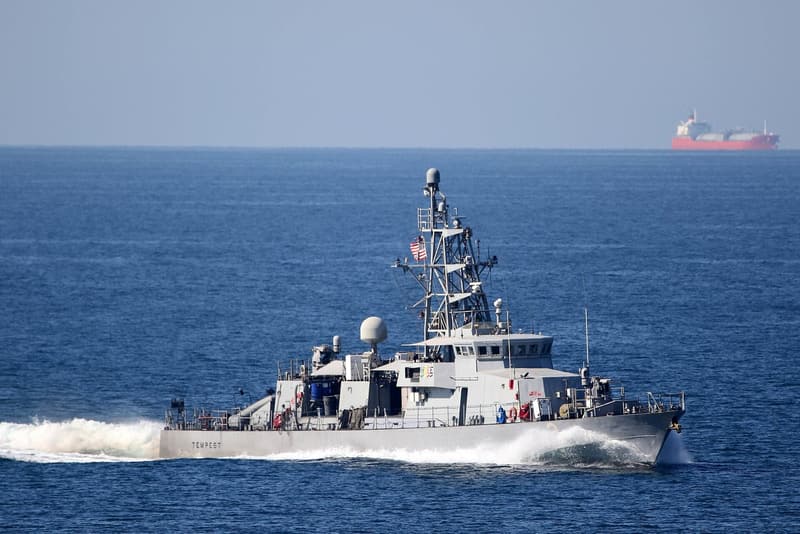
Representative photo · Photo: Official U.S. Navy Page from United Stat / Wikimedia Commons, Public domain
Iran has ramped up military strikes on tankers and US bases in the Gulf, citing a silent economic war as the primary driver for the recent escalation.
The regional security landscape has deteriorated sharply as Iran intensifies its military operations, leaving many to wonder what Iran wants from the United States. Over the past week, the Islamic Revolutionary Guard Corps (IRGC) has carried out a series of strikes against tankers in the Strait of Hormuz and US military installations in Bahrain and Kuwait. These actions follow claims from Iranian President Masoud Pezeshkian that his nation is currently enduring a silent economic war resulting from US sanctions and a naval blockade.
Iran's intensified military campaign in the Gulf has significantly disrupted global oil flows and maritime security.
Bahrain has been a focal point of recent hostilities. On Saturday, Manama reported that an Iranian strike damaged a civilian industrial facility, while the IRGC claimed to have destroyed two US Patriot air defence radars at the al-Riffa and Awali bases. Iranian state media also noted that an interceptor missile from the US Fifth Fleet base crashed on Sitra Island, causing a fire. Tehran maintains that these operations are retaliatory measures against US strikes on Iranian radar installations and ongoing airspace violations by American reconnaissance drones.
Maritime traffic through the Strait of Hormuz, a critical global energy artery, has declined significantly. The UK Maritime Trade Operations reported that ship traffic dropped by 15 percent in the week ending November 18 compared to the previous period. Approximately 25 tankers have been struck in the region since November 14, leading to a surge in insurance premiums and contributing to global energy market volatility. While oil prices briefly spiked above $100 per barrel, they have since settled near $83.
In addition to the tanker incidents, the IRGC claims to have shot down multiple US drones, including four in the last 24 hours. While the Iranian army reported damaging a US F-16 jet over the Gulf, the US Central Command has denied this, stating that all American aircraft in the region remain safe and accounted for. As the conflict continues, senior Iranian officials have publicly challenged the United States to choose between diplomacy and further military confrontation.
Why it matters The escalating conflict in the Gulf has caused a sharp reduction in oil and gas transit, impacting global energy supplies and increasing costs for importers. With cumulative losses reaching 2.8 billion barrels of oil, the crisis threatens energy security for nations reliant on Gulf exports, including those in South Asia, as rising insurance rates and supply disruptions drive up market prices.
Sources
More like this

Victorian craftsman David Parr to receive blue plaque for his exquisitely decorated home

Arizona Grandfather Hailed as Hero After Rescuing Missing Toddler
Russian Cargo Ship Sparta II Burning in Finnish Waters Following Drone Strike