Why Trump Is Saying No Deal Necessary With Iran As He Sidelines JD Vance
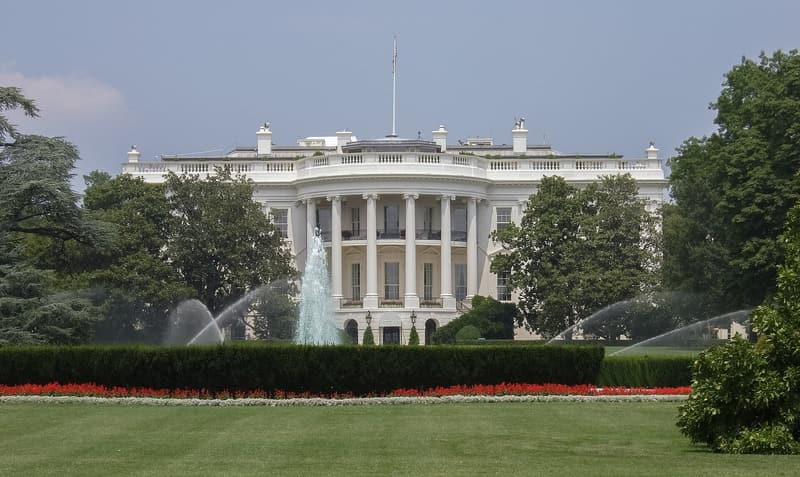
Representative photo · Photo: Diego Delso / Wikimedia Commons, CC BY-SA 3.0
US President Donald Trump has dismissed the need for a deal with Iran and reassigned Vice President JD Vance following midterm election losses linked to the conflict.
US President Donald Trump announced that he told his lead negotiator, Vice President JD Vance, that a diplomatic agreement with Iran is unnecessary. Speaking just hours before Tehran claimed it struck a US military early-warning radar system in Bahrain, Trump stated that Washington possesses Iran's financial assets and controls the Strait of Hormuz. People often search to understand why trump attacked iran amid shifting geopolitical tensions in the Middle East. Trump directed Vance to concentrate on domestic issues, specifically addressing corruption and crime in Democrat-led cities and states.
Vance has been an open critic of the military campaign against Iran, publicly linking the conflict-driven inflation and energy crisis to Republican losses in the congressional midterms. While Vance previously led negotiations in Islamabad, Geneva, and through regional mediators to secure a memorandum of understanding, that framework quickly collapsed over disagreements regarding the Strait of Hormuz. Political analysts suggest that Vance's public questioning of the war's costs reflects an attempt to distance himself from the ongoing military engagement as presidential approval ratings dip.
Shifting US Strategies and Regional Tensions
Divisions within the Trump administration have become increasingly visible following the electoral setbacks. Secretary of State Marco Rubio defended the ongoing economic pressure campaign, asserting that it is working effectively and that large-scale military escalation is not required. Trump himself has offered contradictory signals, ranging from previous threats to destroy Iran to recent assertions that further airstrikes are unlikely. Meanwhile, regional allies including Saudi Arabia, Qatar, Kuwait, the United Arab Emirates, and Bahrain have reportedly asked Washington to maintain the current status quo rather than launch larger offensive operations.
Trump sidelined Vice President JD Vance and dismissed the need for any diplomatic deal with Iran.
Commercial vessel traffic through the Strait of Hormuz has experienced disruptions from naval mines and Iranian military strikes over the past week, although Washington maintains that the waterway remains under its control. In response to an earlier air attack on a telecommunications tower in Sirik, Tehran claimed responsibility for destroying the early-warning radar system in Bahrain. Meanwhile, Iranian officials warned that an order to strike enemies without geographical limits will be executed when appropriate.
Why it matters
The ongoing situation keeps the US-Iran conflict trapped in a persistent cycle of no war and no peace. This unresolved friction directly influences global energy markets, shipping security in the Strait of Hormuz, and domestic political landscapes in the United States.
Sources
More like this
Nvidia Scandal Puts Pressure on White House Over China Export Controls

India Cancels Visa of Norwegian Journalist Who Questioned Prime Minister Modi
Senator Van Hollen challenges Chuck Schumer for Democratic leadership