Andy Burnham Balances Immigration Reform With Economic Contribution Goals
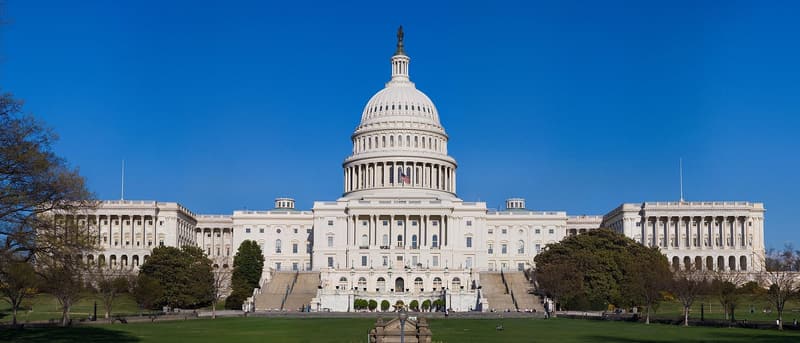
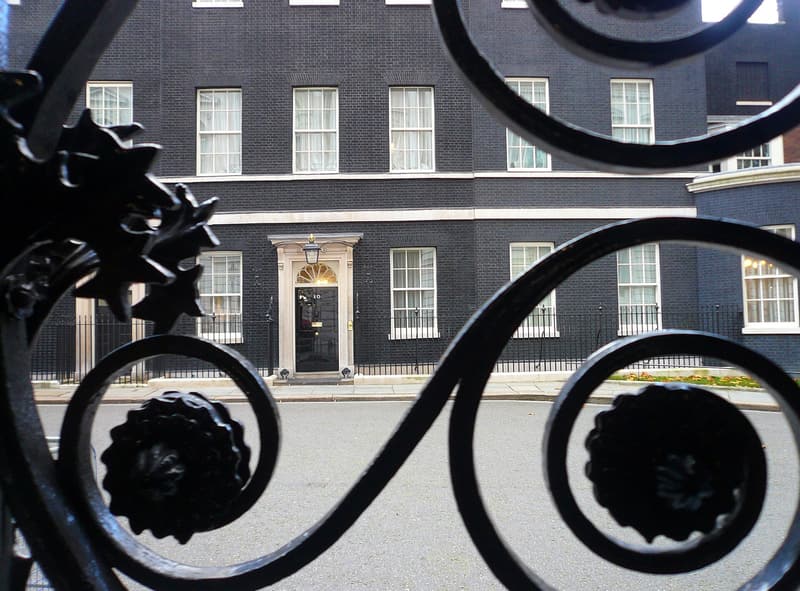
Representative photo · Photo: Suzanne LaGasa from Brooklyn, NY, USA / Wikimedia Commons, CC BY 2.0
Prime Minister Andy Burnham is advancing immigration reforms while attempting to frame the contribution of migrants as a positive narrative for the UK economy.
Prime Minister Andy Burnham is currently navigating the complex landscape of UK immigration policy, seeking to balance strict border controls with a narrative that recognizes the economic value of migrants. As public interest in Andy Burnham immigration policy grows, the government has moved forward with reforms led by Home Secretary Shabana Mahmood, which aim to address both illegal and legal migration concerns.
During his time on the campaign trail in Makerfield, Burnham addressed previous political attacks regarding his stance on borders, labeling them as unfounded. Drawing on his past experience at the Home Office under Tony Blair, he emphasized that he has long been involved in the practicalities of managing immigration, including the return of individuals who lacked a legal basis to stay in the country.
The government is balancing strict border enforcement with a focus on the economic contributions of migrant workers.
While the administration maintains a firm stance on border security, it has introduced specific carve-outs within the new rules. Approximately 300,000 care workers are eligible to apply for indefinite leave to remain after five years, a measure intended to alleviate pressures within the social care sector. Additionally, individuals deemed to be making a strong contribution, such as high earners and those working in health or teaching, are also granted a five-year pathway to settlement.
Understanding the Andy Burnham immigration strategy
Burnham has argued that restoring public confidence in the immigration system requires a nuanced approach. He maintains that while those who abuse the system or arrive illegally will face stricter consequences, it is fair to provide opportunities for those who fill critical gaps in the economy. This perspective is designed to address the concerns of voters who prioritize border control while simultaneously highlighting the necessity of planned migration for economic stability.
Despite the government's efforts, the policy remains a point of contention. Critics from the political right, including Nigel Farage, have characterized the exemptions for care workers as a sign of weakness. Conversely, some within the Labour party have previously questioned the fairness of the broader reforms. However, with no clear alternative for dissent, significant legislative rebellion appears unlikely. The government’s primary challenge remains convincing the public that these changes represent a strategic effort to manage borders effectively rather than a reactive policy shift.
Why it matters
The implementation of these reforms signifies a shift in how the UK government manages its borders, directly impacting future visa applicants and the labor market. For those in South Asia and globally, the focus on "strong contribution" criteria and specific sector exemptions like social care and health will determine the feasibility of long-term settlement in the UK.
Sources
More like this
Mamdani’s progressive allies vie for seats in Congress
Trump Unveils Another DC Project Following Lincoln Memorial Pool Renovation
Mamdani Endorsed Congressional Candidates Aim for Washington