
APEC Summit: Strategic Goals for Trump, Xi and Putin
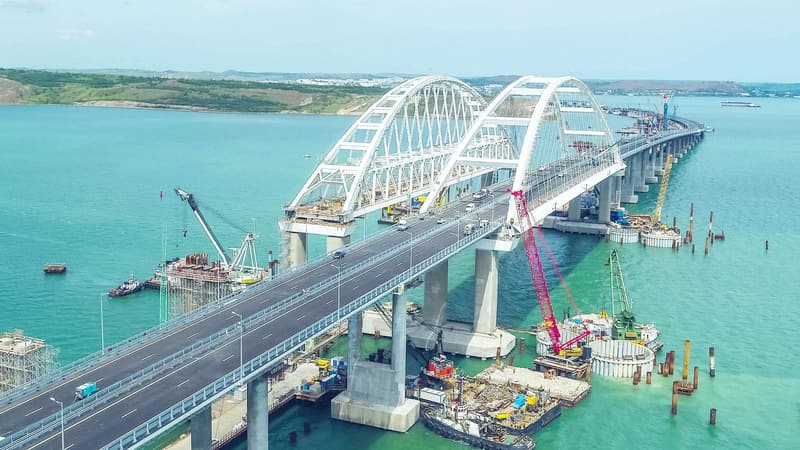
Representative photo · Photo: Chris from Shenzhen, China / Wikimedia Commons, CC BY-SA 2.0
Leaders from the US, China, and Russia prepare for a landmark trilateral meeting at the APEC summit in Shenzhen to discuss trade, security, and global influence.
As global leaders gather in Shenzhen for the upcoming APEC summit, many are asking what is the APEC summit and what it signifies for international relations. The event will host the first-ever trilateral meeting between the leaders of the United States, China, and Russia. While the summit serves as a platform for dialogue, experts remain skeptical about the potential for major breakthroughs regarding long-standing trade and security disputes.
US President Donald Trump and Chinese President Xi Jinping are scheduled to hold separate bilateral talks during the November 18-19 gathering. Analysts suggest that the primary objective for both nations is to maintain the current trade truce rather than seeking a significant expansion of their bilateral agenda. Jia Hui Tee of the Hinrich Foundation notes that the two sides might reach an agreement on reciprocal tariff cuts for goods worth $30 billion each, though implementation timelines remain uncertain. Washington is also pushing for increased Chinese purchases of agricultural products and critical minerals, though Beijing is expected to remain cautious given the current domestic political climate in the United States.
The APEC summit features a rare trilateral meeting between the leaders of the US, China, and Russia.
Russia enters the summit aiming to bolster its diplomatic standing and secure favorable terms regarding the war in Ukraine. According to Yun Sun of the Stimson Center, Moscow intends to project an image of being a key negotiator with Washington to influence European and Ukrainian confidence. Meanwhile, Beijing views the summit as a stage to demonstrate its capacity to facilitate dialogue among major powers. Michael Kimmage of the Kennan Institute suggests that China’s primary interest remains the political survival of Vladimir Putin, which takes precedence over actively pressuring Russia to end the conflict.
Experts like Zhang Lun point out that President Trump faces significant domestic pressure following midterm election losses, which has constrained his international leverage. Consequently, the US leader is seen as more eager to secure diplomatic wins. However, with another meeting expected at the G20 summit in Miami, observers believe the current strategy involves deferring contentious issues to a later date to prevent further escalation in tensions.
Why it matters The trilateral meeting highlights the complex power dynamics between three of the world's most influential nations. By focusing on a transactional détente, the leaders aim to stabilize fragile trade relationships and manage geopolitical friction, which directly impacts global economic policy and regional security stability.
Sources
More like this

UK Sanctions Israeli Firms Over West Bank Settlements
Ukraine and Russia Exchange Strikes on Strategic Bridges

Palestinian woman, 72, killed in West Bank amid settler-related violence