ASEAN outlines phased return for Myanmar as it maintains summit restrictions
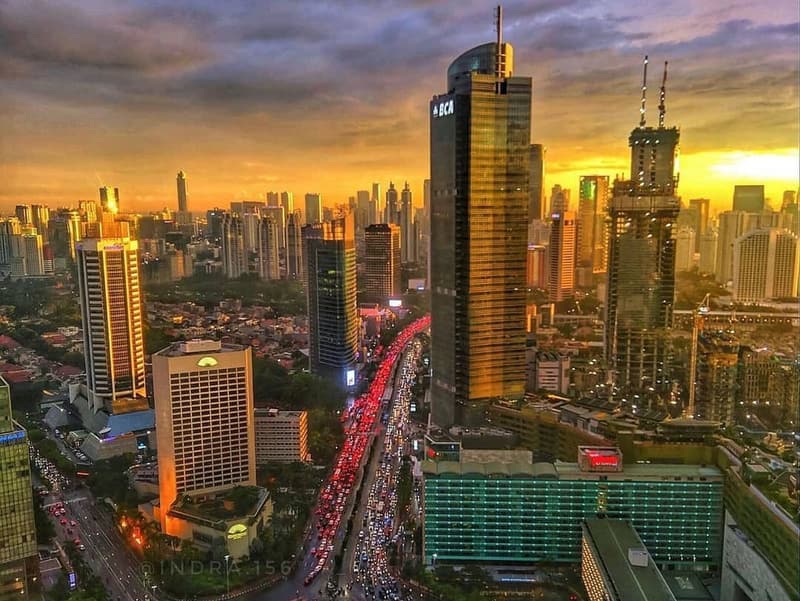
Representative photo · Photo: Magnificentjakarta / Wikimedia Commons, CC BY-SA 4.0
Southeast Asian leaders have agreed to a staged re-engagement with Myanmar, conditioning the return of its political representatives to summits on progress regarding a regional peace plan.
Southeast Asian leaders concluded their weekend summit by agreeing to a new, phased approach for engaging with Myanmar. While the nation remains a member of the Association of Southeast Asian Nations (ASEAN), its political leadership has been barred from high-level meetings and summits since October 2021. This exclusion followed the military coup that ousted the elected government of Aung San Suu Kyi, an event that plunged the country into an ongoing civil war.
Understanding the ASEAN Myanmar crisis
In a joint statement issued on Sunday, the bloc’s leaders called for a calibrated engagement with Myanmar through a process that is both phased and based on tangible progress. This strategy aims to account for developments on the ground as the region navigates the complex ASEAN Myanmar crisis. The organization indicated that full political representation could be gradually restored if the military government demonstrates sustained and concrete advancements toward the bloc's five-point peace plan.
Despite being established in 2021, the peace plan has seen little success, with violent clashes continuing between the military and various pro-democracy and ethnic armed groups. During the leaders' retreat in Manila, Philippine President Ferdinand Marcos Jr. questioned what further actions the bloc could take, urging his counterparts to identify practical methods to support an inclusive process led by Myanmar. Meanwhile, Thailand has advocated for closer ties, particularly following the recent inauguration of coup leader Min Aung Hlaing as president after elections that international monitors have dismissed as a sham.
ASEAN will gradually restore Myanmar's summit participation only if concrete progress on peace plans is achieved.
Beyond the Myanmar issue, the summit addressed a broad range of regional concerns. Leaders discussed trade, security, and the sharing of fuel supplies in response to disruptions linked to the war in Iran. Diplomatic activity remained high, with the Philippines and Australia signing a defense agreement, while Canada and the Philippines finalized free trade negotiations. Discussions regarding a code of conduct for the South China Sea remain ongoing, with officials noting that while negotiations are largely complete, a final deal remains elusive. The summit also prepares for the arrival of US President Donald Trump, who is scheduled to meet with leaders of the Quad nations before upcoming talks with Chinese and Russian leadership.
Why it matters
This decision marks a significant shift in how the bloc handles internal instability, moving from total exclusion toward a conditional, staged re-engagement. For the region, it represents an attempt to regain influence over the peace process in a country currently torn by civil war, affecting stability across Southeast Asia and its neighbors.
For readers in India and the broader South Asian region, the outcome of this summit is critical. As a neighbor to the region and a key participant in the Quad, India remains closely tied to the security architecture and trade dynamics of the Indo-Pacific. The evolving stance on Myanmar and the ongoing maritime negotiations in the South China Sea have direct implications for regional security and economic cooperation.
Sources
More like this
Why China resists a nuclear treaty with the United States and Russia
Russian Satellite Intelligence and the Escalation of the Iran-US Conflict
The Red Sea Cannot Be Secured Without Restoring the Yemeni State