Pact on South China Sea code of conduct unlikely as ASEAN leaders gather
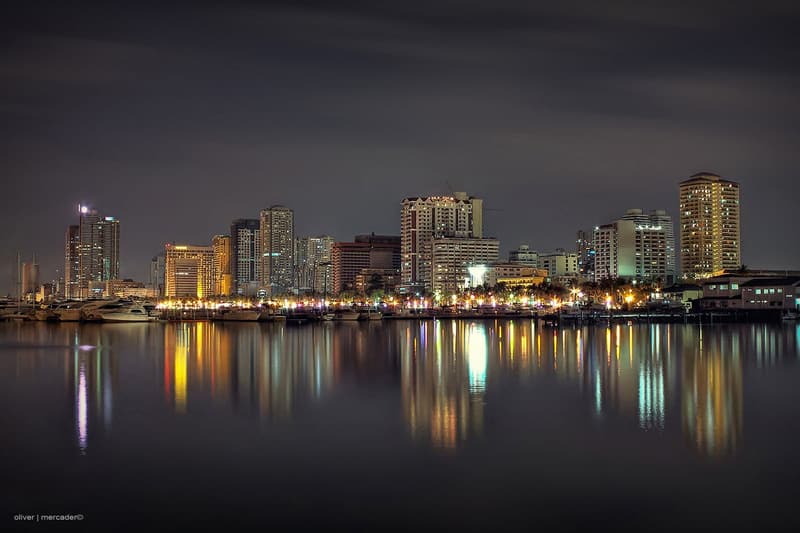
Representative photo · Photo: Oliver Mercader / Wikimedia Commons, CC BY 2.0
As ASEAN leaders meet in Manila, analysts and officials suggest a long-awaited code of conduct for the South China Sea remains elusive.
As ASEAN leaders gather in Manila this week, the prospect of finalizing a long-awaited Pact on South China Sea code of conduct appears unlikely. While the agreement is intended to manage regional tensions and prevent maritime conflict, negotiations have persisted for more than two decades without reaching a definitive conclusion.
In 2023, ASEAN foreign ministers committed to finalizing the accord within three years, setting a deadline for 2026. Under the Philippines' leadership, negotiators have met monthly, yet a consensus remains out of reach. DFA Secretary Maria Theresa Lazaro noted that while approximately 80 percent of the document is complete, several salient points require further discussion. Among the most contentious issues is the geographical scope of the agreement, as China continues to claim jurisdiction over nearly the entire sea, contradicting a 2016 international ruling.
The long-awaited agreement to manage tensions in the South China Sea remains stalled despite ongoing diplomatic efforts.
Navigating complex diplomatic waters
The Philippines, which seeks an accord that respects the rights of external nations, faces a difficult balancing act. Political scientist Aries Arugay of the University of the Philippines suggests the administration is in a precarious position, where any final document risks being labeled as either self-serving or a sign of weakness. Meanwhile, tensions between Manila and Beijing have intensified since 2022, characterized by maritime confrontations, water cannon deployments, and a heated war of words between officials.
Recent months have seen public exchanges between Philippine Defence Secretary Gilberto Teodoro and Chinese representatives, leading to calls from some senators for the expulsion of the Chinese envoy. Diplomatic efforts intensified as the summit approached, with Chinese Foreign Minister Wang Yi urging Philippine officials to exercise restraint. While the DFA described recent high-level communications as constructive, it simultaneously issued a statement emphasizing that public officials must align their rhetoric with the government's broader institutional responsibilities.
Why it matters
The inability to finalize this agreement leaves the South China Sea, a vital corridor for half of the world’s merchant shipping, in a state of continued uncertainty. For the Philippines and other claimant nations like Vietnam, Malaysia, Brunei, and Indonesia, the lack of a formal code of conduct means the risk of maritime collisions and geopolitical friction remains high.
Sources
More like this

Jordan sentences three men to death for fatal church attack

Israel Kills Hamas Commander in Strike on Gaza Camp
ASEAN Summit 2025: Who Is Attending and What Is at Stake