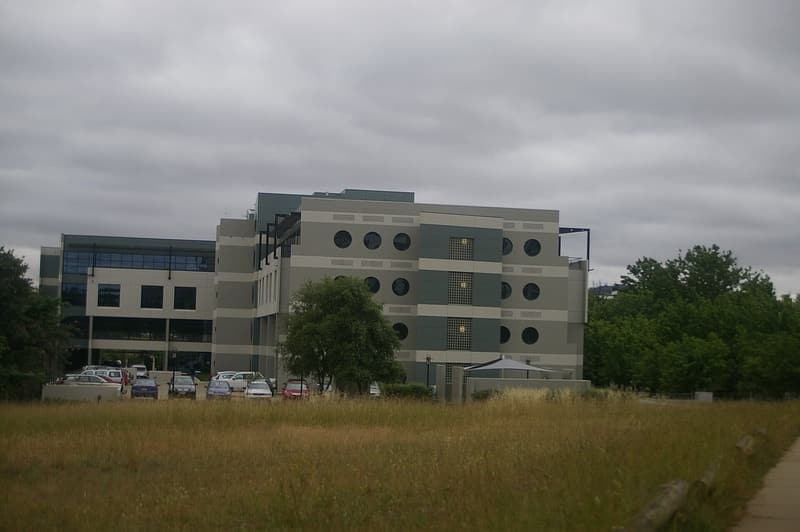
Australia Defense Bill Criticized by Constitutional Law Experts
Representative photo · Photo: John Robert McPherson / Wikimedia Commons, CC BY-SA 4.0
Australia's new defense bill allowing secret security zones has been branded lazy and irresponsible by constitutional law experts over a lack of debate.
A leading Australian constitutional law expert has sharply criticized the federal government's new defense legislation, branding the measures lazy and irresponsible lawmaking. The legislation introduces provisions enabling officials to secretly classify any facility as a special security zone, drawing concerns regarding ministerial powers and parliamentary oversight.
Prime Minister Anthony Albanese defended the legislation on Monday, stating that critics were jumping at shadows and calling the claims absurd. He emphasized that the nation operates in unsafe times with numerous global conflicts, making protected designations a practical necessity. However, parliamentary crossbenchers, the Greens, and civil society groups strongly opposed the rushed passing of the legislation through parliament.
New Australian defense legislation permits secret security zones without adequate parliamentary oversight or debate.
The wide-ranging bill criminalizes entering or photographing defense security zones, carrying penalties of up to seven years in jail or significant fines. Ministers gain the authority to issue capability declarations that can exempt certain activities from existing state and territory laws while remaining withheld as legislative instruments.
Professor Anne Twomey expressed alarm over the increasing trend of discretionary ministerial powers without scrutiny. She argued that the parliament has effectively abandoned its oversight role, creating severe rule of law issues and risks of future misuse.
Why it matters
This legislative development alters the balance between national security and public accountability in Australia by granting ministers broad discretionary powers to bypass existing laws. The decision impacts civil liberties, transparency, and the rights of communities residing near potential defense security zones.
Sources
More like this
Grieving families face debt as benefit freezes shrink funeral support
Is the global far right really in retreat?
Monday briefing: What could Andy Burnham’s reset mean for the UK?