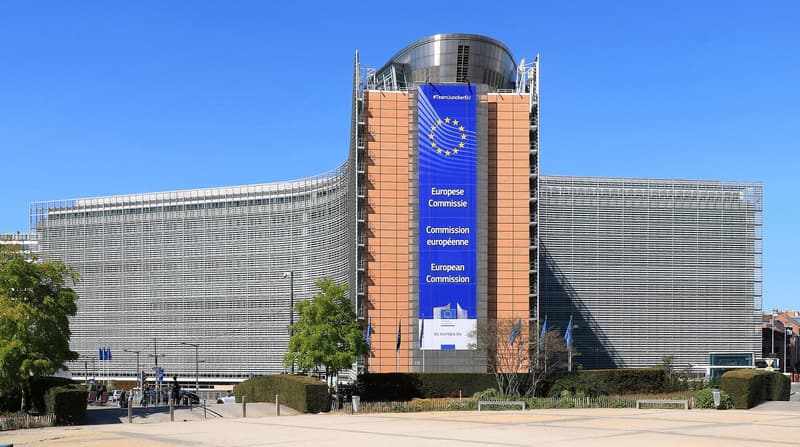
Europe’s hot autumn of protests is a symptom of economic breakdown
Representative photo · Photo: FrDr / Wikimedia Commons, CC BY-SA 4.0
Mass protests are sweeping across Europe as citizens voice frustration over a crumbling economy, rising living costs, and the perceived failure of the political establishment.
Europe is currently experiencing a period of intense social unrest often described as a "hot autumn." While many people search for Europe online to explore tourism or professional opportunities, the current reality on the ground is marked by widespread public demonstrations. From French students protesting education underinvestment to massive housing rallies in Spain, Portugal, and Italy, the common thread is a rapidly rising cost of living exacerbated by global supply chain disruptions.
The roots of the crisis
The current wave of demonstrations is a symptom of a deeper structural problem. Over the last four decades, neoliberal policies and deregulation have shifted power from elected governments to large corporations. This transition has led to significant wealth concentration at the top while essential services like housing, education, and healthcare are increasingly treated as commodities for profit. As public infrastructure crumbles, many citizens feel that the political class has lost its will to govern in the public interest.
The current economic crisis stems from the prioritization of corporate interests over public wellbeing.
Governments have largely abandoned the management of the economy, opting instead to let market forces dictate outcomes. However, instead of healthy competition, this has empowered monopolies that prioritize investor returns over social stability. The situation is further complicated by the impacts of climate change and the threat of mass unemployment posed by artificial intelligence. While some argue for a return to industrial strategy and government intervention, such measures require a fundamental shift in the relationship between society and corporate power.
Why it matters
The ongoing protests signify a breakdown of the post-war social contract, as traditional economic growth can no longer mask systemic inequality. This shift affects the stability of European nations and challenges the political status quo, with support for both radical left and right-wing parties rising rapidly. For global observers and those in South Asia, this highlights the fragility of economies overly reliant on corporate-led models and the potential for civil unrest when basic needs are no longer met.
Sources
More like this

Zelenskyy Confirms Ukraine Sank Russian Ship Off Libya Coast
Witness History: The 1994 Agreement That Established the World Trade Organization
Syria and EU Talks Progress Amid Concerns Over Repatriation Focus