Australia Faces Criticism Over Climate Policies at COP31
Illustration: NexVani Media
Australia faced intense scrutiny at UN climate talks over its fossil fuel record as Pacific leaders sought urgent funding to protect their islands.
Australia encountered severe criticism for a second consecutive day at United Nations climate discussions in Turkey, with international voices urging the nation to eliminate fossil fuels and accelerate its environmental response. The scrutiny arrived while Prime Minister Anthony Albanese engaged with Pacific leaders at COP31, where he called on international partners and philanthropists to fund adaptation projects safeguarding vulnerable island nations from global warming. During the summit, the Pacific Resilience Facility secured a major milestone by reaching two hundred million dollars in funding, bolstered by its inaugural philanthropic contribution. The prime minister subsequently pitched renewable energy innovations to international investors. Although Australia leads negotiations at the annual event, activist Greta Thunberg criticized the pace of the nation's environmental measures. Environmental organizations such as Greenpeace also condemned the government for omitting fossil fuels as the primary driver of climate change in official discussions. Responding to the feedback, Mr Albanese defended national policies by highlighting a target to lower emissions by forty-three percent before the end of the decade. He explained that his opening address focused entirely on Pacific requirements rather than explicitly mentioning fossil fuels. Meanwhile, the resilience facility roundtable engaged representatives from countries including France, Spain, Sweden, and Qatar, while Palau President Surangel Whipps Jr stressed the immediate need for capital rather than recurring promises. Climate Change Minister Chris Bowen noted that small island developing states historically receive a fraction of global adaptation finance, a disparity Australia intends to address. Mining billionaire Andrew Forrest announced a five million dollar investment in the facility, emphasizing the economic advantages of moving away from fossil fuels. Greenpeace representatives reiterated that Pacific communities require credible road maps and clear timelines to transition away from carbon sources. As the leaders' segment concluded, Mr Albanese hosted a roundtable for domestic clean energy enterprises to promote local innovations. > Australia faces mounting pressure to phase out fossil fuels while supporting Pacific climate adaptation funding. ## Why it matters Australia is facing renewed calls to phase out fossil fuels as it seeks international support to help Pacific nations fight climate change. This debate affects global climate policies, diplomatic relations within the region, and the financial security of vulnerable island communities threatened by rising sea levels.
Sources
More like this
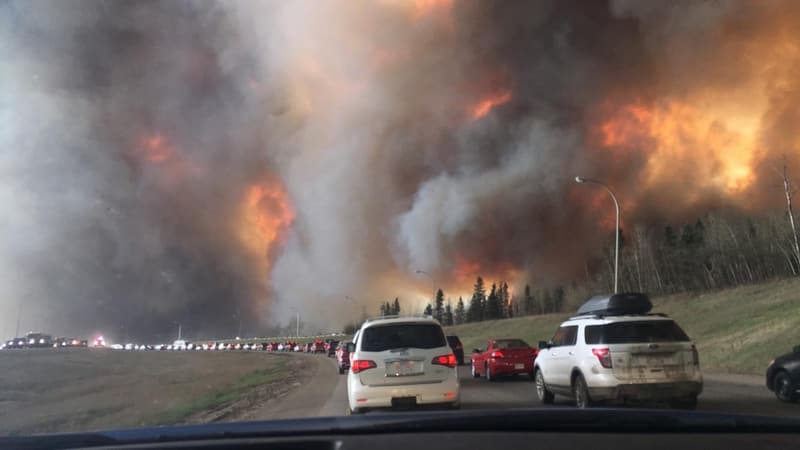
Choking Fires and Deadly Heat: 2026 in Extreme Weather

Morton Salt Mine Closure in Ohio Raises Winter Safety Concerns
UK Experiences Milder Temperature Forecast as Autumn Freeze Eases