
Choking Fires and Deadly Heat: 2026 in Extreme Weather
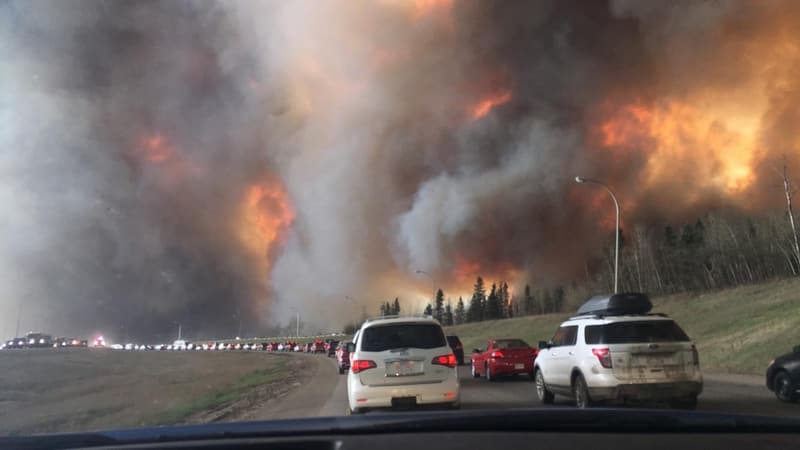
Representative photo · Photo: DarrenRD / Wikimedia Commons, CC BY-SA 4.0
The year 2026 has seen unprecedented climate-driven disasters, with record-breaking heat, wildfires, and floods causing tens of thousands of deaths globally.
The world has contended with unprecedented weather events and their fatal effects caused by the climate catastrophe throughout 2026. As the planet faces what scientists describe as a choking reality of extreme conditions, the death toll has already reached the high tens of thousands, a figure expected to rise. Following the hottest summer since records began in 1850, the year has been defined by a relentless cycle of droughts, fires, and floods.
A Year of Global Climate Disasters
Extreme heat has fueled wildfires across the globe. Australia faced temperatures nearly 20C above average, with Port Augusta hitting 50C, while Canada saw 1,000 wildfires charring 3 million hectares. In Europe, prolonged droughts created tinderbox conditions that burned 686,000 hectares. Meanwhile, South Asia endured deadly heat, with temperatures exceeding 45C in India and Bangladesh, and peaking at 52C in Pakistan’s Sindh province.
Flooding has been equally catastrophic. In Brazil, record rains triggered mudslides in Juiz de Fora that killed 72 people. Ethiopia, Kenya, and Tanzania reported hundreds of deaths due to floods, while Afghanistan and the Arabian Peninsula also faced record-breaking rainfall. In a tragic event in Nepal, a glacier collapse in the Lhende Khola valley killed at least 1,300 people, leaving thousands missing after debris swept away entire communities.
The year 2026 has been marked by record-breaking heat, devastating floods, and deadly wildfires worldwide.
Ocean temperatures have entered uncharted territory, with the World Meteorological Organization noting a rapid buildup of energy in the Earth's system. UN Secretary-General António Guterres warned that the climate is in a state of emergency, urging an immediate reduction in fossil fuel emissions. Despite this, atmospheric CO2 levels have reached a peak not seen in two million years.
Why it matters
The climate crisis is accelerating, with hundreds of millions of people in South Asia particularly vulnerable to longer and deadlier pre-monsoon heatwaves. As global temperatures tie all-time records, the humanitarian impact is profound, affecting food supplies, health, and infrastructure across the region and the wider world.
Sources
More like this

Morton Salt Mine Closure in Ohio Raises Winter Safety Concerns

UK Experiences Milder Temperature Forecast as Autumn Freeze Eases

Green turtles shifted to least concern status
