Bristol Aims to Become the UK’s First Accredited Wetland City
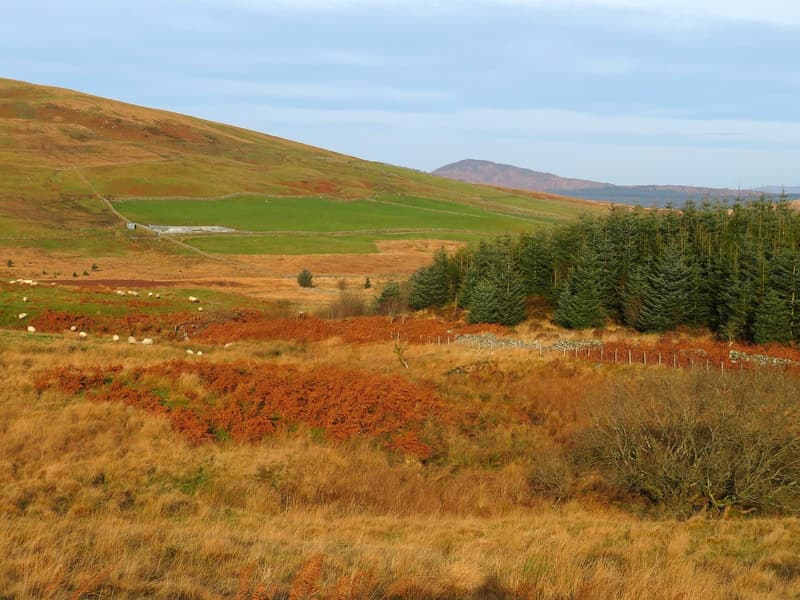
Representative photo · Photo: Derek Harper / Wikimedia Commons, CC BY-SA 2.0
The Wildfowl & Wetlands Trust is launching a five-year project to restore urban habitats, aiming to reduce flood risks and boost local biodiversity.
The Wildfowl & Wetlands Trust (WWT) has launched an ambitious five-year initiative to transform Bristol into the UK’s first accredited “wetland city.” By restoring and creating over 200 distinct habitats, the project seeks to integrate nature into the urban landscape, effectively managing water resources while supporting local wildlife. As the public searches for information on Bristol City, this project highlights how urban planning can adapt to climate challenges.
Restoring urban wetlands will reduce flood risks, enhance biodiversity, and improve public access to nature.
Transforming Bristol City
The initiative focuses on a wide range of interventions, from small-scale household rainwater ponds and street-level rain gardens to the restoration of complex river habitats. By reconnecting rivers with their floodplains, the project aims to move away from traditional drainage systems that rely on sewers, which often overflow during heavy rainfall. Instead, the strategy treats rainwater as a valuable resource that can be managed where it lands, preventing the buildup of excess water on impermeable surfaces like concrete.
To kickstart the program, the WWT installed floating wetlands in the city-centre harbour this past September. These buoyant modules, covered in native plants, have already begun attracting dragonflies and other wildlife. Project managers emphasize that these efforts are crucial, as 40% of global species rely on wetlands, a habitat type currently in decline. By increasing these pockets of nature within an urban environment, the project also provides residents with better access to green and blue spaces, which are often limited in densely populated areas.
Economic and Environmental Goals
The project is funded by a £8.9m contribution from the insurer Aviva. Unlike many international bids for Ramsar convention accreditation, which are typically state-led, this effort seeks to demonstrate a clear commercial and economic case for wetland investment. Proponents hope that by showcasing benefits such as increased footfall and improved water management, the Bristol model will serve as a template for other towns and cities across the UK to follow.
Why it matters
This project represents a shift in how cities manage environmental resilience. By proving that nature-based solutions can be both economically viable and effective at flood mitigation, the initiative impacts urban planners and residents alike. It demonstrates how historical cities can leverage their existing waterways to adapt to a changing climate while simultaneously improving the health and wellbeing of their populations.
Sources
More like this
COP31: UN Climate Chief Urges Negotiators to Avoid Tactical Delays

Choking Fires and Deadly Heat: 2026 in Extreme Weather

Morton Salt Mine Closure in Ohio Raises Winter Safety Concerns