Australia Urged to Reduce Reliance on Imported Fossil Fuels
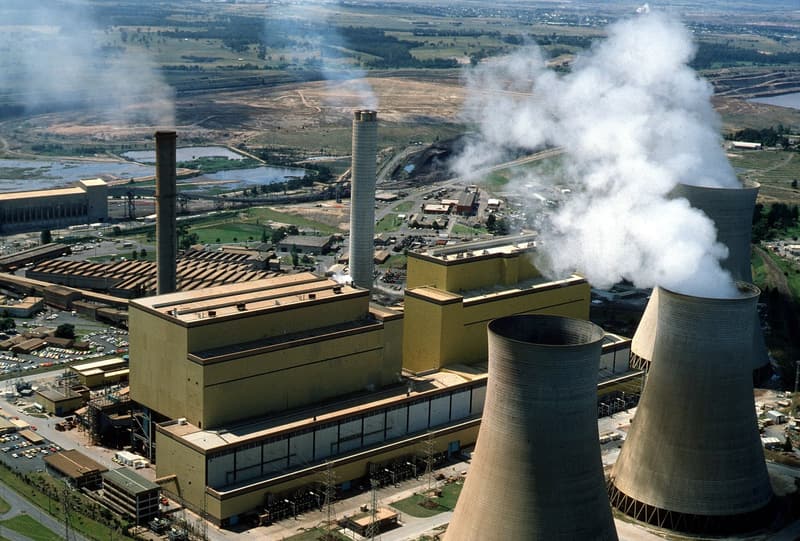
Representative photo · Photo: Calistemon / Wikimedia Commons, CC BY-SA 4.0
A new Grattan Institute report proposes capping diesel tax credits and boosting electric vehicle adoption to improve national fuel security amid global instability.
As global supply chains face increasing volatility, a new report from the Grattan Institute is calling on the federal government to overhaul how the nation manages its energy needs. While many people search for information on Australia, the thinktank warns that the country is dangerously exposed to price hikes and disruptions due to its reliance on imported liquid fuel. Currently, Australia imports 97% of its fuel, a strategy the report describes as no longer tenable in a more dangerous and unpredictable world.
Australia must reduce its heavy reliance on imported fuels to protect against future global supply shocks.
Rethinking Energy Security
The report, titled Fuelling the Future, suggests that the recent conflict in the Middle East has already cost the Australian economy nearly $18 billion. To mitigate these risks, the Grattan Institute recommends capping the fuel tax credit program at $35 million per corporate group annually. This program, which primarily benefits the mining sector, currently costs the government billions each year. The institute argues that redirecting these funds would save the budget $3 billion annually and provide the capital needed to transition toward cleaner energy alternatives.
Proposed measures include investing $1.1 billion in a national electric vehicle charging network and providing $2.4 billion in vouchers to help trucking firms transition to electric fleets. The report sets an ambitious target of 650,000 electric trucks nationwide by 2050, which it estimates would reduce diesel consumption by 5 billion litres annually. Additionally, the institute suggests directing $6 billion toward developing "clean" refineries to produce sustainable jet fuel, aiming for a capacity of 10 billion litres per year by 2050.
Industry Response and Future Policy
The proposals have faced immediate pushback from industry leaders. Tania Constable, CEO of the Minerals Council of Australia, argued that increasing costs for regional industries would not improve supply-chain resilience. She warned that such policies would ultimately increase costs for farmers, freight operators, and households. Meanwhile, the federal government is reportedly considering adjustments to existing electric vehicle subsidies as part of upcoming budget reviews.
Why it matters
This report highlights a critical shift in how Australia views its energy independence. By moving away from fossil fuel imports, the government aims to insulate the economy from international conflicts and supply chain vulnerabilities. These proposed changes would impact major industrial sectors, particularly mining and transport, while potentially lowering fuel costs for everyday Australians in the long term.
Sources
More like this

Cop31 Climate Summit Talks End Without Consensus on Fossil Fuel Deal

New Draft Deal Aims to Avert Collapse of Talks at Climate Summit

COP31 Climate Talks Approach Final Deal in Turkey