Cop31 Climate Summit Talks End Without Consensus on Fossil Fuel Deal
Illustration: NexVani Media
Negotiators at the Cop31 climate summit in Turkey failed to reach a consensus on a final deal, as major nations rejected a text that omitted references to fossil fuels.
The Cop31 climate summit in Turkey has concluded in a stalemate after two weeks of intense negotiations failed to produce a consensus on a final agreement. The proposed 'Antalya pact,' drafted by the joint Turkish and Australian presidencies, was rejected by the European Union, the United Kingdom, and several developing nations. Critics argued that the document failed to address the core drivers of climate change by omitting any mention of fossil fuels.
The collapse of the Cop31 climate summit
As the talks extended beyond their scheduled end date into Sunday, it became clear that the draft cover decision would not be adopted. Ireland’s environment minister, Darragh O’Brien, speaking on behalf of the EU, stated that the bloc could not endorse a decision that failed to respond to scientific evidence. He emphasized that the proposed text risked widening the gap between global commitments and the necessary climate action, while accusing the draft of attempting to 'greenwash' fossil fuels.
The Cop31 climate summit ended without a final agreement after nations rejected a deal excluding fossil fuels.
The Antalya pact had invited countries to electrify their economies and included provisions for climate finance to help poorer nations adapt to global heating. However, it failed to endorse a transition away from fossil fuels, a move demanded by over 130 countries. The inclusion of controversial provisions regarding carbon capture and storage technology further alienated many delegates who believe such measures perpetuate reliance on fossil fuels. While the summit presidencies managed to pass decisions on related matters, such as a 'just transition' for workers, the main cover decision was never adopted.
Turkish Cop president Murat Kurum acknowledged the lack of consensus, stating that the presidency did not wish to impose a text on the parties. Despite support from countries like Saudi Arabia and China for the inclusion of carbon capture technology, the opposition from the EU and various island nations proved insurmountable. Civil society groups and advocates expressed deep frustration, with some labeling the event the 'worst Cop ever' due to a perceived lack of collective will among wealthy nations to confront the urgency of the climate crisis.
Why it matters
The failure to reach a consensus signals a deepening rift in global climate diplomacy, leaving vulnerable nations without a clear path forward for essential support. This stalemate directly affects countries already suffering from extreme weather, such as droughts, floods, and glacier collapses, which have caused significant loss of life and economic damage across the globe.
Sources
More like this
New Draft Deal Aims to Avert Collapse of Talks at Climate Summit
COP31 Climate Talks Approach Final Deal in Turkey
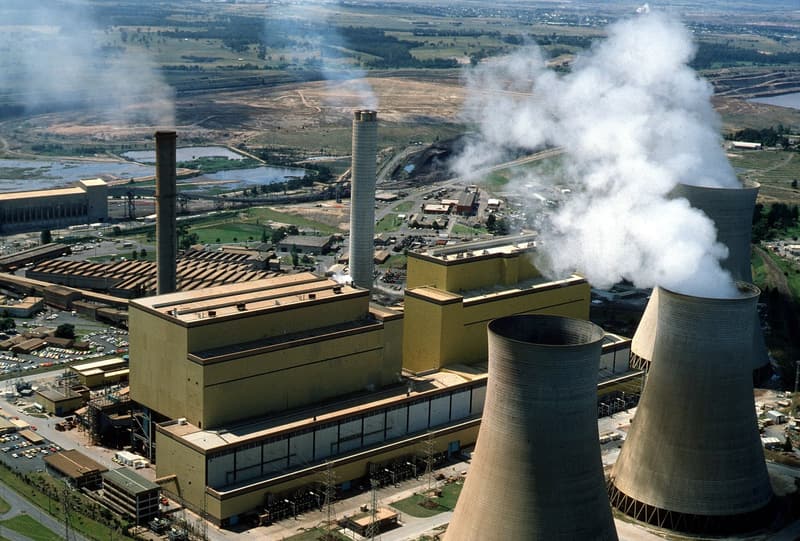
Victoria Faces Energy Crisis as Yallourn Power Station Closure Looms in 2028