US Households Face Rising Heating Costs This Winter Amid Affordability Crisis
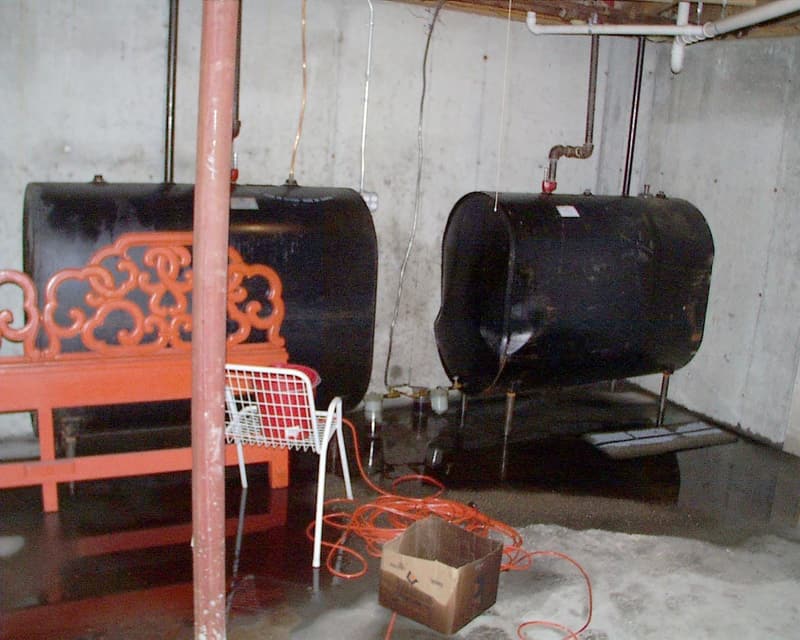
Representative photo · Photo: Massachusetts Dept. of Environmental Pro / Wikimedia Commons, CC BY 2.0
A new report warns that heating bills across the United States are projected to rise by over 7% this winter, with some oil-dependent households facing potential increases of up to 70%.
Americans are bracing for a difficult winter as a growing affordability crisis coincides with projected increases in utility expenses. According to a new report from the National Energy Assistance Directors Association (Neada), the average heating oil price is expected to climb significantly, impacting millions of families who are already struggling to manage their monthly budgets. Nationwide, heating costs are anticipated to rise by more than 7%, though the financial burden will be unevenly distributed across the country.
Understanding the average heating oil price impact
The most severe financial strain is expected for the nearly five million households that rely on heating oil, particularly those located in the Northeast and Alaska. Neada projects that seasonal costs for these consumers could jump by as much as 70%, potentially reaching an average of $2,977. The Northeast region, which holds the highest concentration of heating oil users and some of the nation’s most expensive electricity rates, is expected to see average bills rise by approximately 16.9%.
Nationwide heating bills are projected to climb over 7% this winter, with some households facing 70% increases.
Global energy supply disruptions are driving these price hikes. Refineries in Russia and the Middle East have faced production cuts or shutdowns linked to the war in Ukraine and the ongoing conflict between Israel and Iran. Neada executive director Mark Wolfe described heating oil as the "canary in the coalmine" for the broader economic crisis, noting that volatility in the Strait of Hormuz makes price forecasting difficult. Beyond oil, electric heating costs are projected to rise by about 6%, while propane bills are expected to increase by roughly 5%.
The timing of these increases is particularly concerning as many Americans are already behind on utility payments. Neada reports that roughly one in six households currently owes a collective $23 billion in unpaid utility bills. This follows a record-breaking summer where extreme heat led to widespread financial hardship and utility disconnections across multiple states.
Why it matters
As winter approaches, the anticipated surge in energy costs threatens to push low- and middle-income families further into debt. Advocates are urging Congress to provide immediate federal funding to assist those unable to cover these essential expenses.
The crisis highlights the vulnerability of household budgets to global geopolitical instability. While the report focuses on the United States, the volatility of global fuel supplies serves as a reminder of the interconnected nature of energy markets, which can impact affordability for consumers worldwide.
Sources
More like this
Poundland files notice of intention to appoint administrators

Nats CEO Says He Was Most Disliked Person in UK After Air Traffic Control Failures
Diesel still expensive as UK pump prices remain near record highs