Bangladesh forms wage board after garment protests
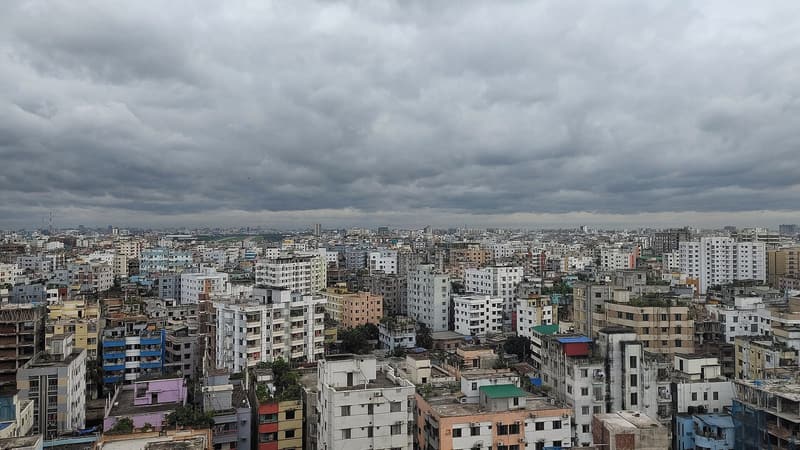
Representative photo · Photo: Tarunno / Wikimedia Commons, CC BY-SA 4.0
Authorities in Bangladesh established a new wage board following protests and clashes over garment worker pay demands amid high living costs.
Following weekend demonstrations in industrial areas, authorities have announced that bangladesh forms a new panel to reassess minimum earnings for garment employees. The establishment of this committee is an attempt to halt ongoing unrest that has severely impacted key manufacturing zones around the capital region.
Despite the Sunday announcement, demonstrators calling for increased remuneration remained on the streets near Dhaka. Law enforcement officers deployed tear gas and sound grenades during confrontations with protesters, resulting in injuries among both demonstrators and police personnel in Ashulia. Officials reported that approximately thirty facilities in the outskirts suspended operations temporarily due to the disturbances.
Employees are demanding a monthly minimum of 30,000 taka, equivalent to 242 dollars, which exceeds the current level of 12,500 taka or 101 dollars by more than one hundred percent. Representatives state that climbing expenses for housing, nourishment, healthcare, and transit have heavily diminished their buying capacity.
A new six-member panel was established to review garment worker wages following widespread demonstrations.
Committee Structure and Industry Challenges
The newly designated six-member committee comprises delegates representing the government, factory owners, and labor groups. Its primary duty is the establishment of a revised minimum salary structure for the workforce. A Ministry of Labour and Employment adviser urged individuals to resume their duties peacefully, asserting that the compensation matter has been addressed.
Factory proprietors noted that the apparel sector continues to confront multiple obstacles, including escalating production expenses, regular interruptions in gas and electricity supply, and international energy market volatility tied to Middle Eastern tensions during the United States-Israel conflict involving Iran. Meanwhile, labor ministry warnings indicate that prolonged facility closures threaten to delay export shipments and financial transactions with overseas purchasers.
Why it matters
This development addresses vital economic stability in South Asia, where the apparel sector serves as a cornerstone of national manufacturing and employment. For regional and international stakeholders, the resolution of wage disputes and the prevention of supply chain interruptions directly impact the delivery of export goods and maintain stability within the global textile market.
Sources
More like this
New Policy Shifts How Airbnb Works for Hosts and Travellers

Slot farms exploit bingo hall loophole to avoid business rate hikes

UK charity shops uk face profit drops and store closures amid shift