Business
UK charity shops uk face profit drops and store closures amid shift
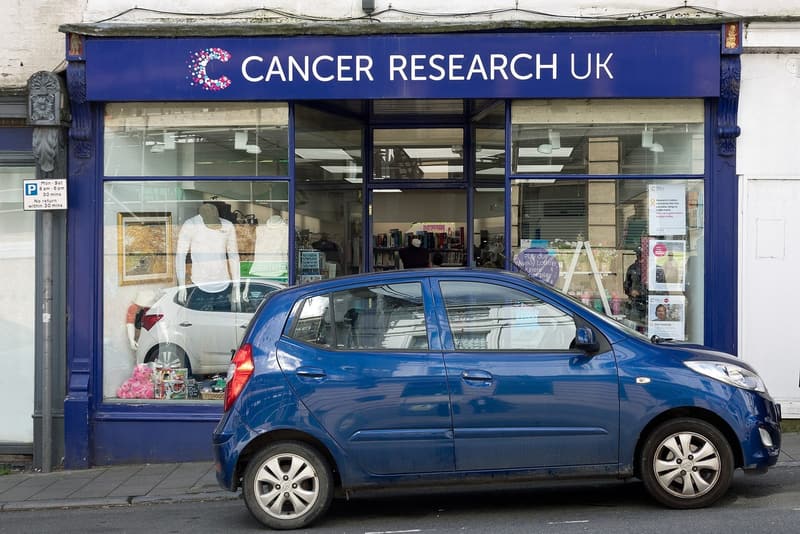
Representative photo · Photo: Roger A Smith / Wikimedia Commons, CC BY-SA 2.0
Representative photo · Photo: Roger A Smith / Wikimedia Commons, CC BY-SA 2.0
Profits at prominent UK charity shops have fallen sharply as they encounter severe trading pressures, rising operational costs, and competition.
Charity shops across the nation are confronting a severe financial downturn, raising concerns over the viability of a core fundraising mechanism for the sector. Well-known organisations are reporting significant profit declines and implementing store closures as they navigate an increasingly difficult economic landscape.
Unpublished accounts indicate that retail earnings for Oxfam dropped substantially in the previous financial year compared to the prior period. Meanwhile, the British Heart Foundation, operating the largest high street footprint of any charity in the country, announced intentions to shut down numerous stores following operational losses. Additional organisations such as Cancer Research UK and Scope have similarly closed or are in the process of closing select locations.
These financial setbacks occur even as overall consumer spending on secondhand clothing experiences considerable growth nationwide over the past decade. This retail shift coincides with the expansion of internet platforms that enable direct consumer-to-consumer apparel sales, alongside increased commercial apparel exports to developing regions.
Traditional charity retail models face mounting financial pressures amid shifting consumer habits and rising operating costs.
Industry representatives note that broader economic policies, including national insurance adjustments and general inflation, have significantly amplified the expenses borne by physical retail locations. Furthermore, the sector contends with an influx of substandard apparel donations, creating additional processing and waste management burdens for staff and volunteers.
The ongoing contraction of physical charity shops threatens a vital funding source used to combat global poverty and support medical research. This shift impacts local communities, retail volunteers, and everyday donors who rely on these high street establishments.