

Binance to Close Accounts in Four EU Nations
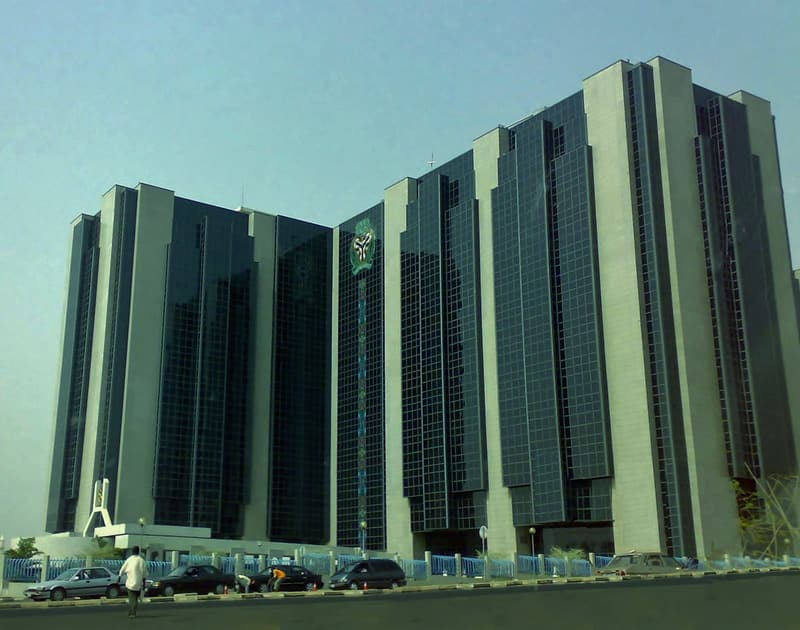
Representative photo · Photo: Thijs ter Haar / Wikimedia Commons, CC BY 2.0
Binance will shut down user accounts in France, Spain, Italy and Poland by December 31, introducing monthly fees on idle balances starting late November.
This is news, not investment advice. NexVani Media is not a SEBI-registered investment adviser and does not recommend buying or selling any security. Do your own research or consult a registered adviser before investing.
The world's largest cryptocurrency exchange is set to terminate customer accounts across four European Union nations by the end of the year. Users in France, Spain, Italy, and Poland received notices stating their accounts will be closed on December 31, while monthly fees on remaining balances will begin on November 29. A Binance spokesperson confirmed the timeline over the weekend, explaining that the exchange is progressively restricting services as the transitional period under the Markets in Crypto-Assets framework concludes.
Deposits are already disabled, but affected individuals retain the ability to withdraw both fiat and cryptocurrency assets. According to shared emails, the platform will levy a monthly fee of 0.025% on remaining crypto holdings, or 10 USDC, whichever is higher. Fees will be deducted starting from late November, with the first charge occurring within three days and a subsequent fee following after December 24. Accounts with balances lower than the fee amount risk losing their entire remaining funds, though users who withdraw everything before the fee implementation date will pay nothing.
Binance will close accounts in four EU nations by December 31 while levying idle balance fees.
Binance Closed in Europe Due to Licensing Gaps
The regulatory pressure stems from the EU's MiCA regulations, which mandate that virtual asset service providers secure authorization within at least one member state before operating across the bloc. Binance previously operated locally registered businesses in the four affected nations and had initiated outreach to customers in June urging them to withdraw funds. The exchange withdrew its Greek license application earlier in the year following expectations of a rejection by local regulators, and it currently does not appear on the European Securities and Markets Authority register of authorized providers.
The upcoming closures coincide with a challenging operational period for the platform. Hackers stole approximately $6.3 billion in a late October security breach involving malware and fake engineering job offers, though the company promised full customer reimbursement. Additionally, finance chief Kaiser Ng departed after more than five years, with Justin Yek stepping in as the new chief financial officer.
Why it matters
The winding down of operations in major European markets highlights the strict compliance hurdles cryptocurrency platforms face under the bloc's updated regulatory framework. As unlicensed providers face mandatory exits, authorized competitors like Coinbase and Kraken are positioned to absorb displaced market share.
For the broader digital asset sector, this development underscores the growing necessity of securing formal regulatory approval to operate within major economic zones. While the changes currently impact only specific European jurisdictions, the situation illustrates how regulatory enforcement directly shapes customer access and platform availability.
Sources
More like this

US Withdraws Crypto Rule Proposal as European Union Information Checks Remain
Nigeria Sets New Local Licensing Rules For Dollar Stablecoins

Coinbase