Energy Secretary says cutting bills is overriding aim for climate action
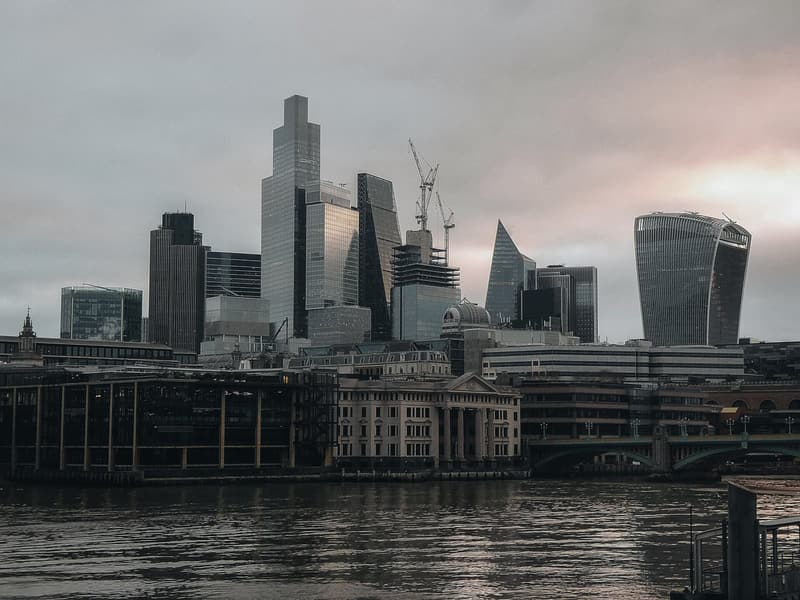
Representative photo · Photo: concrete&fells from London, United Kingd / Wikimedia Commons, CC BY 2.0
Miatta Fahnbulleh insists reducing energy bills is vital to sustain public backing for climate action as prices rise.
The energy secretary has stressed that affordability is her primary objective, noting that reducing bills will remain essential to maintaining public support for climate action. Speaking in a television interview, Miatta Fahnbulleh insisted that the government push for cleaner power would help to cut energy costs over the long term. However, she conceded that the broader push to lower carbon emissions is currently under pressure amid public discontent surrounding rising prices in recent years.
The ministerial comments arrive as officials grapple with how to respond to a predicted surge in energy prices, which is expected to mark the most significant rise in household bills in four years. Labour has faced heightened political pressure regarding its climate ambitions since taking power, particularly as opposition parties target public subsidy schemes designed to boost renewable electricity generation. Critics argue that these green energy drives have ultimately driven up costs for everyday consumers, especially as UK households currently face some of the highest electricity rates in Europe.
Affordability is the overriding objective for maintaining public support during the green energy transition.
Fahnbulleh argued during her broadcast interview that Labour push for greener electricity is a crucial route toward delivering long-term affordability. She explained that the drive to clean power is fundamentally about decoupling dependence on global fossil fuel markets through homegrown renewables and nuclear energy. Despite these arguments, she acknowledged that energy affordability struggles form part of the reason why the broader consensus on climate action remains under pressure from critics who blame net zero policies for high costs.
Action on energy costs
The ongoing debate in Westminster also involves broader government decisions regarding resource allocation and industrial strategy. Ministers have faced criticism from some green campaigners for diverting funding from the energy department to meet defense spending targets, including money previously earmarked for energy efficiency schemes. Furthermore, the government approved drilling at the Jackdaw gas field, though ministers defended the move by stating it would minimize imports of higher-emission fuels. Meanwhile, Fahnbulleh pointed to severe summer droughts and heatwaves as clear evidence of the urgent need to continue tackling global warming through emissions reductions.
Why it matters
This debate highlights the delicate political balance between pursuing ambitious climate policies and managing immediate cost of living pressures for households. Decisions made by the government regarding energy investments and subsidies will directly influence future utility bills and the long-term viability of the green energy transition.
Sources
More like this
Rising UK Costs Test Government Net Zero Ambitions

Gaza authorities slam global inaction after mudslide kills five in Deir el-Balah

Deadly Flash Floods Hit Northern Iraq