Blood Gold: The Munduruku’s fight for survival in the Brazilian Amazon
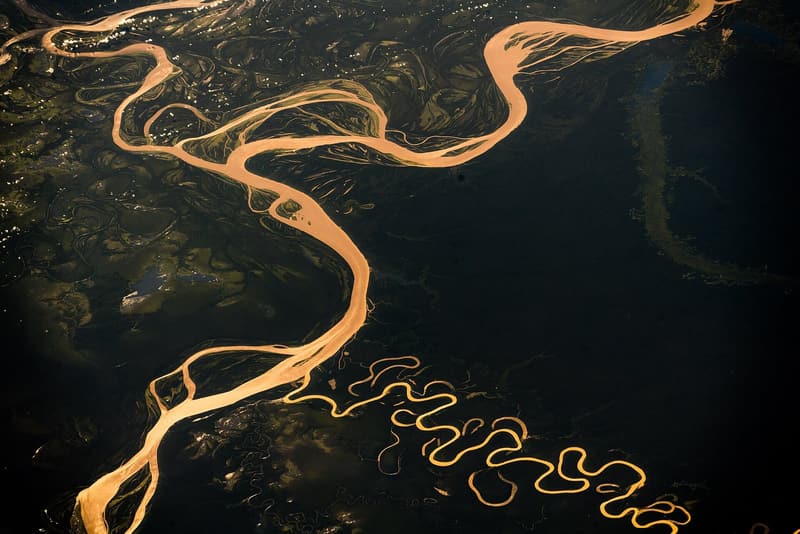
Representative photo · Photo: Alexander Gerst / Wikimedia Commons, CC BY-SA 2.0
Illegal gold mining in the Amazon is poisoning the Munduruku people with mercury, threatening their health and traditional way of life as global demand for gold surges.
The Munduruku people living in the Brazilian Amazon are facing a grave crisis as the illegal extraction of so-called blood gold threatens their primary food source. As the global price of gold reaches new heights, illegal mining operations have pushed deeper into protected rainforest territories. This expansion has introduced significant quantities of mercury into local river systems, which is subsequently entering the food chain and poisoning the fish upon which the Indigenous population relies for survival.
In the documentary Blood Gold, the investigative program Fault Lines explores the devastating human cost of this environmental degradation. Senior correspondent Josh Rushing gained rare access to an active, illegal mining site to document the precise methods used to extract precious metals. The footage provides a stark look at how mercury, a toxic heavy metal, is utilized in the extraction process and subsequently released into the environment.
Illegal gold mining in the Amazon is poisoning Indigenous communities with mercury as global demand for gold rises.
The human cost of the gold trade
The documentary features interviews with Indigenous families who are currently grappling with the direct health consequences of this contamination. Beyond the personal stories of those affected, the film highlights the work of researchers who are systematically documenting the spread of mercury through the ecosystem. A federal prosecutor is also featured, detailing the ongoing legal and structural challenges involved in attempting to curb the illicit mercury trade.
Despite frequent government crackdowns, illegal mining persists as a lucrative and destructive industry. The film questions why these operations continue to thrive and examines the global appetite for gold that drives the demand. By tracing the path from the rainforest to the market, the investigation sheds light on who ultimately bears the burden of the world's desire for the metal.
Why it matters
This investigation highlights the intersection of global consumer demand and the systematic destruction of Indigenous territories. It demonstrates how distant economic pressures can lead to the poisoning of essential natural resources, forcing vulnerable communities to fight for their basic right to a healthy environment.
For international observers, the situation underscores the difficulty of regulating supply chains in remote regions. The ongoing struggle of the Munduruku serves as a reminder of the environmental and humanitarian price paid when illegal industries operate outside the reach of government oversight.
Sources
More like this
Saudi Coalition and Houthis Exchange Threats Over Key Ports
Tensions Rise as Taliban Accuses Pakistan of Backing Anti-Regime Groups
Xi Jinping and the Power of Restraint in Global Diplomacy