The ANC's Long Implosion: Analyzing the ANC Full Form and Political Decline
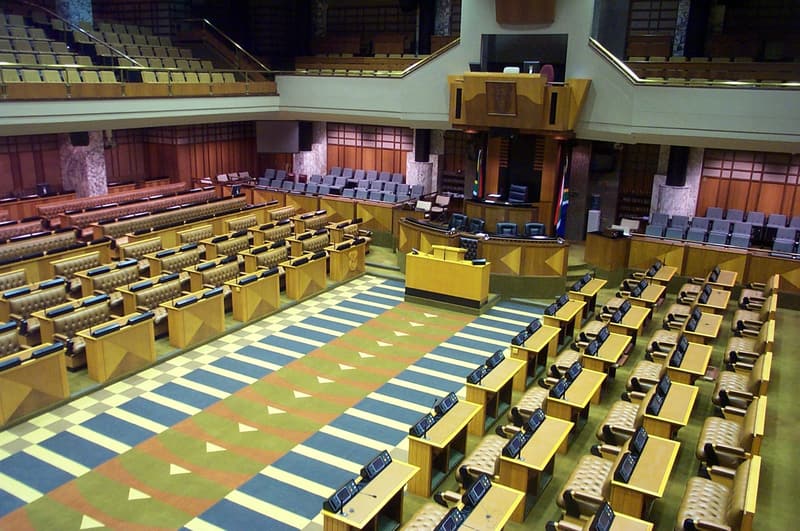
Representative photo · Photo: Kaihsu Tai / Wikimedia Commons, CC BY-SA 3.0
The African National Congress has seen its electoral support collapse to 32.5 percent, marking a historic shift in South African politics driven by decades of leadership failures.
The African National Congress (ANC) has long served as the primary anchor in South African politics, but its recent performance in the 2026 local government elections confirms a dramatic decline. While the party remains the largest in the country, its popular vote has plummeted to 32.5 percent, effectively transforming it into a rural-focused entity. This erosion of support, which sees the party now struggling to maintain power in urban metros without coalition partners, is the culmination of three distinct nine-year leadership phases.
The Three Phases of Decline
The first phase under President Thabo Mbeki provided a period of economic growth and infrastructure development, despite challenges like the HIV/AIDS epidemic. However, this era also fostered impatience regarding the pace of wealth redistribution. This foundation was followed by nine years under President Jacob Zuma, characterized by state capture and the systematic looting of public enterprises. Investigations, including the Zondo and Nugent Commissions, estimated the economic cost of this corruption at roughly 500 billion rand.
President Cyril Ramaphosa initially entered office on a wave of optimism, but his tenure has been marked by hesitation and indecision. Critics argue that while Zuma operated through active corruption, Ramaphosa’s failures were defined by acts of omission. His administration’s inability to address the corruption of state enterprises, coupled with a failure to act decisively against malfeasance, has institutionalized a culture of impunity. As youth unemployment reached 63 percent, the ANC saw its electoral support slide from 57.5 percent in 2019 to its current low, as the party faced competition from insurgent groups like the MKP and the EFF.
The ANC's decline reflects a transition from Mbeki's growth to Zuma's corruption and Ramaphosa's indecision.
Why it matters
The ANC now faces an existential crisis that threatens its future as a dominant political force. For South Africa, this shift means the end of single-party hegemony and the beginning of a complex era of coalition governance.
For international observers, including those in India and South Asia, this development highlights the fragility of liberation movements when they fail to deliver on economic promises. The ANC's struggle to balance internal unity with the need for national reform serves as a case study in the risks of political stagnation and the consequences of failing to address systemic corruption.
Sources
More like this
Netanyahu May Fall, But His Far-Right Legacy in Israel Is Going Nowhere

Nigeria: AI Disinformation Challenges Integrity of Upcoming 2027 Elections

Espionage accusations: a pressure tactic for Turkish government critics