The Wetland Conservation Legacy and the Fight Against Climate Change
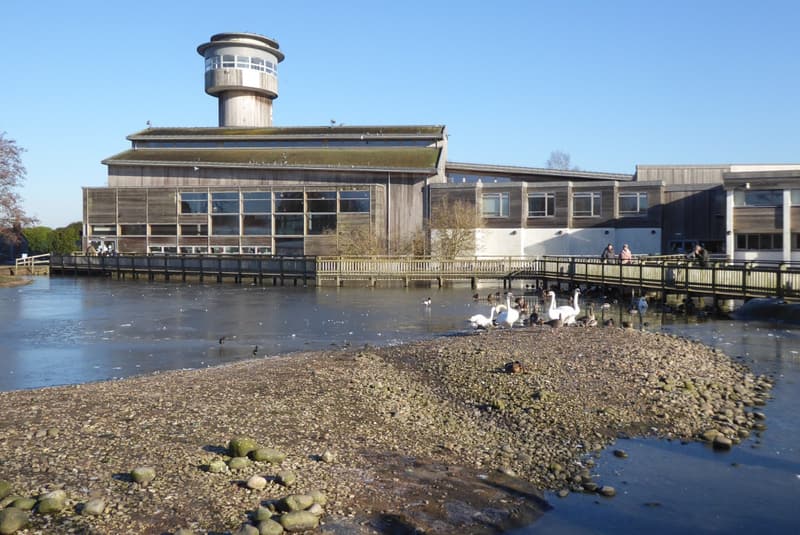
Representative photo · Photo: Philip Halling / Wikimedia Commons, CC BY-SA 2.0
As the Wildfowl and Wetlands Trust marks 80 years of conservation, experts highlight how restoring vital marshlands can help combat global warming.
While global attention frequently centers on the importance of rainforests, scientists are increasingly pointing toward wetlands as a critical, yet overlooked, tool in the battle against climate change. Organizations like the Wildfowl and Wetlands Trust (WWT) report that saltmarshes, mangrove swamps, and various wetland habitats are capable of absorbing carbon at a rate four times faster than trees. As the organization celebrates the 80th anniversary of its first reserve at Slimbridge, leaders are advocating for the restoration of one million hectares of wetlands worldwide to address the loss of 85% of these ecosystems globally.
The Swan Sanctuary Legacy
Many visitors travel to Slimbridge to observe the diverse birdlife, including the famous swan sanctuary, without realizing the environmental significance of these marshes. The site was established in 1946 by naturalist Peter Scott, who was inspired by the thousands of migrating geese and swans arriving from the Russian Arctic. Scott transformed the marshy banks of the River Severn into a pioneering conservation hub, constructing lakes and observation towers to study wildlife without interference. His efforts extended beyond the UK, as he helped establish the World Wildlife Fund and became the first person knighted for conservation work in 1973.
Restoring global wetlands is a powerful strategy to absorb carbon and combat the climate crisis.
Beyond habitat preservation, the team at Slimbridge has been instrumental in species recovery. One of their most notable projects involved the Hawaiian Goose, or Nēnē. After the population dwindled to fewer than 25 birds due to infrastructure development, Scott hand-reared chicks at Slimbridge. Today, the population has grown to over 3,000, with many residing in Hawaii. Similar efforts have been applied to the Common Crane and the rare Madagascan Pochard, projects that further emphasized the necessity of healthy wetland environments.
Why it matters
The global initiative to restore wetlands addresses a critical environmental imbalance. By acting as natural flood buffers and water purifiers, these habitats provide essential services that go beyond carbon sequestration. The loss of these ecosystems has left many regions more vulnerable to climate-related instability, making their restoration a priority for global biodiversity and climate resilience.
Sources
More like this

COP31 opens in Turkey as climate activists demand urgent action
Senate Votes on Controversial Bipartisan Infrastructure Bill

Air pollution surges in England as fog traps urban emissions