
Can Iran win the war? Mojtaba Khamenei shifts to a new decision-making model
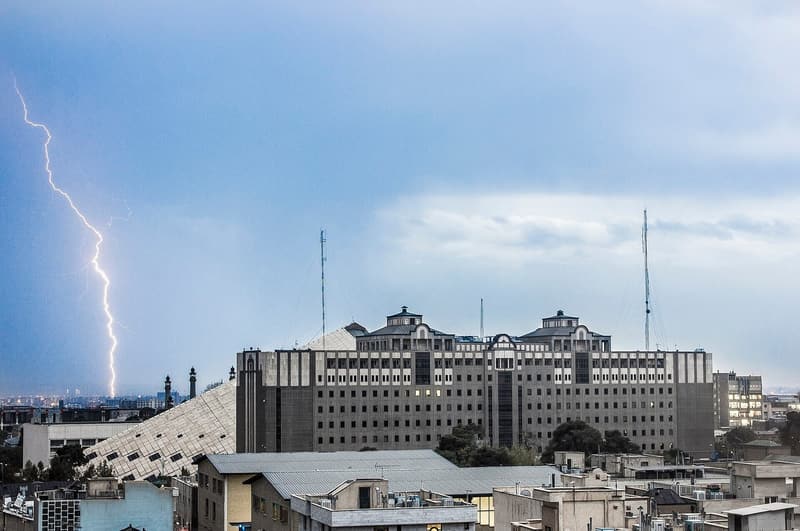
Representative photo · Photo: Salehi1990mohsen / Wikimedia Commons, CC BY-SA 4.0
Iran’s new supreme leader, Mojtaba Khamenei, is steering the nation through a secretive, highly structured consultation process amid ongoing regional tensions.
Following his succession in March, Iran’s new supreme leader, Mojtaba Khamenei, has adopted a unique approach to governance, operating entirely behind the scenes without public appearances or audio recordings. As the nation grapples with the question of whether Iran can win the war against external pressures, the leader has moved from initial institutional reconstruction to a more operational phase of decision-making. Since succeeding his father, who was killed in a February strike, Mojtaba has relied on written decrees and a narrow circle of trusted officials to exercise authority, citing security concerns regarding his personal safety.
In October, a rapid sequence of high-level meetings signaled a shift in how Tehran handles its strategic options. Within an 11-day period, the supreme leader consulted with the heads of the judiciary, parliament, national security establishment, and senior military commanders. These sessions followed significant personnel changes, including the appointment of Mohsen Rezaei to the Supreme National Security Council and the restructuring of military leadership under commanders like Ali Abdollahi and Ahmad Vahidi.
Mojtaba Khamenei is utilizing a new, secretive system of institutional consultations to navigate Iran's regional military confrontations.
These internal consultations appear synchronized with external diplomatic developments. Throughout October, mediators from Pakistan, Qatar, and Turkey facilitated discussions involving potential compromises on nuclear inspections and the status of frozen assets. Notably, each stage of these diplomatic overtures was followed by a reported meeting between the supreme leader and key Iranian negotiators or military figures.
Can Iran win the war
The statements emerging from these meetings define the boundaries of Iran’s current strategy: rejecting the status quo of "neither war nor peace" while preparing for potential escalation if attacks resume. By framing these conditions as decisions made by state officials rather than himself, the supreme leader maintains flexibility. This process mirrors the consultations that preceded the 2015 nuclear agreement, though the current environment is significantly more volatile due to the ongoing naval blockade and active military engagement. The leadership is now balancing the pursuit of a settlement on Iranian terms against the necessity of strengthening the domestic front.
Why it matters
The emergence of this consultative system indicates that Iran is moving toward a more institutionalized, albeit secretive, method of managing its national security. For regional observers and international stakeholders, this shift suggests that major policy changes will be preceded by coordinated internal deliberation rather than individual pronouncements. This transition impacts ongoing negotiations regarding the Strait of Hormuz and regional security, affecting the stability of energy routes and geopolitical relations across the Middle East and South Asia.
Sources
More like this

Six Dead Following Residential Fire in Brooklyn, New York
Iran signals no deal following US midterm election results
Burning Rubbish Chokes Besieged Yemeni City of Taiz