US Midterm Results and the Future of Conflicts in Iran, Gaza and Ukraine
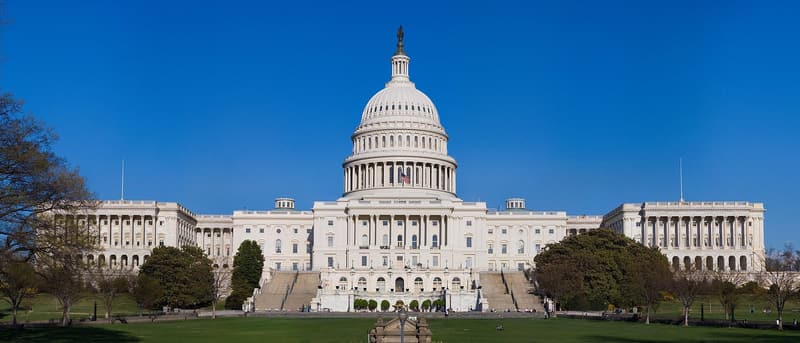
Representative photo · Photo: Noclip / Wikimedia Commons, Public domain
Democrats have secured control of Congress in the midterm elections, potentially shifting US policy on ongoing conflicts in Iran, Gaza, and Ukraine.
Following a significant electoral shift in the United States, global attention has turned to how the newly elected Congress will address the ongoing conflicts in Iran, Gaza and Ukraine. The midterm elections resulted in a decisive victory for the Democratic Party, which gained control of both the House of Representatives and the Senate. This political transition arrives as the administration of President Donald Trump faces intense scrutiny over its foreign policy, particularly regarding the war with Iran initiated in February.
Shifting perspectives on Iran, Gaza and Ukraine
The conflict in Iran has been a focal point for voters, with the closure of the Strait of Hormuz driving up fuel prices and the war costing taxpayers an estimated $47 billion. Despite President Trump maintaining that the military action is necessary to prevent nuclear proliferation, his approval ratings have dropped to 32 percent. Meanwhile, European leaders are hopeful that the new Democratic majority will help repair transatlantic relations and increase support for Ukraine, following President Trump’s decision to suspend sanctions on Russian oil and withdraw support for the Ukrainian government.
Beyond these regions, the war in Gaza remains a critical issue. While the previous administration provided consistent military aid to Israel, the incoming class of progressive Democrats has expressed strong opposition to the ongoing military operations in Gaza and the actions of settlers in the West Bank. This vocal dissent from within the party suggests a potential divergence from established US-Israel policy.
The Democratic sweep of Congress creates a legislative challenge for President Trump’s foreign policy agenda moving forward.
President Trump has signaled his intent to use his veto power to block any policies he deems unacceptable. However, overriding a presidential veto requires a two-thirds supermajority in both chambers of Congress, a threshold the Democrats have not yet reached. While Democratic leaders, including Senator Chuck Schumer, have suggested using the "power of the purse" to restrict funding for military engagements, experts warn that cutting support for troops already deployed could be legally and politically complex. Furthermore, historical attempts to utilize the War Powers Resolution to limit presidential military authority have largely proven ineffective.
Why it matters
Although Democrats now hold a majority in Congress, they lack the two-thirds support necessary to overturn a presidential veto. This structural limitation means that while the legislative branch can exert pressure on foreign policy, President Trump retains significant executive authority to continue military actions, leaving the future trajectory of these conflicts uncertain.
Sources
More like this

Outcry After ICE Detains US Citizen Walking to High School
Congress knives out for Pete Hegseth following GOP midterm election losses

Elderly Voters Play Pivotal Role in Lula’s Historic Election Victory in Brazil