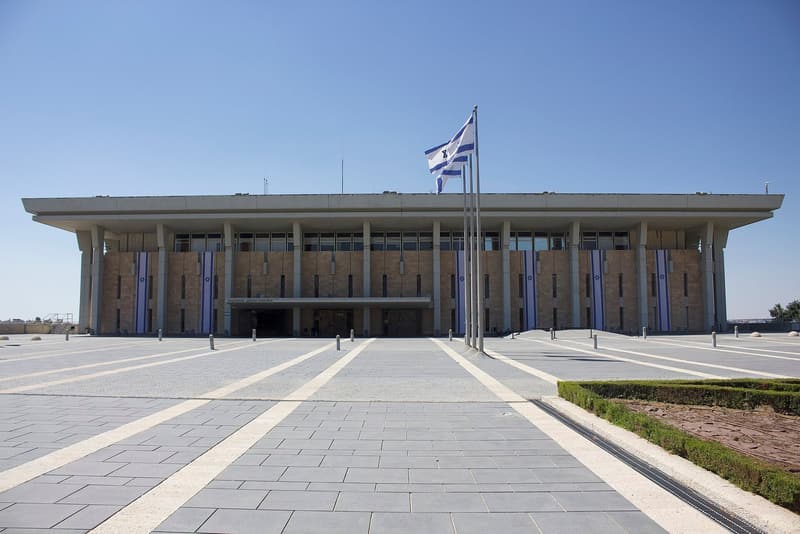
Can Netanyahu launch a strike on Iran before he leaves office?
Representative photo · Photo: Clema12 / Wikimedia Commons, CC BY-SA 4.0
Prime Minister Benjamin Netanyahu's caretaker government weighs a potential military strike against Iran despite losing its parliamentary majority.
Israeli Prime Minister Benjamin Netanyahu’s government remains in power in a caretaker capacity following last month’s parliamentary elections. This interim status will persist until a new governing majority is formed, a process that could take months. Amid this political transition, Netanyahu is reportedly weighing new military action against Iran, even though there is a lack of enthusiasm from the United States, his own military establishment, and politicians attempting to replace him.
While politically weakened, questions remain regarding whether Netanyahu can run again with the authority to send Israel back to war. Officially, Israel’s caretaker government retains the same authority as a regular government under Article 30 of the Basic Law. However, the Supreme Court has previously ruled that outgoing administrations must avoid irreversible policy moves unless they are urgent, a principle known as the duty of restraint. Legal experts note that security issues are viewed as clear exceptions to this rule.
Neve Gordon, a professor of international law at Queen Mary University, London, stated that Netanyahu can initiate military action with caretaker cabinet approval if presented as urgent and in the national interest. Or Asher from the Tachlith Institute added that the Supreme Court historically avoids intervening in decisions to go to war, meaning a caretaker prime minister can legally take Israel to conflict.
Recent media reports indicate that the security cabinet chaired by Netanyahu ordered the military to step up preparations for a potential attack. Meanwhile, the Israeli military establishment sees no urgent need for such action, and opposition figures like Gadi Eisenkot have warned that deploying forces without a direct and immediate threat could damage public trust.
Netanyahu's caretaker government legally holds the authority to initiate military action against Iran despite opposition.
Why it matters
This situation highlights the legal and political complexities of an interim government making high-stakes decisions that could outlast its term. The potential for military conflict raises deep divisions domestically, testing public trust and increasing the pressure on reservists and families if hostilities begin.
Public reaction remains sharply divided along political lines. While supporters of the coalition may favor security actions, the opposition warns against dragging the country into war without proper parliamentary oversight.
Sources
More like this

Indonesia Wiretapping Scandal Shakes Leadership

EU Foreign Policy Chief Warns Europe Against Russia’s Traps in Ukraine Talks
Nvidia Scandal Puts Pressure on White House Over China Export Controls