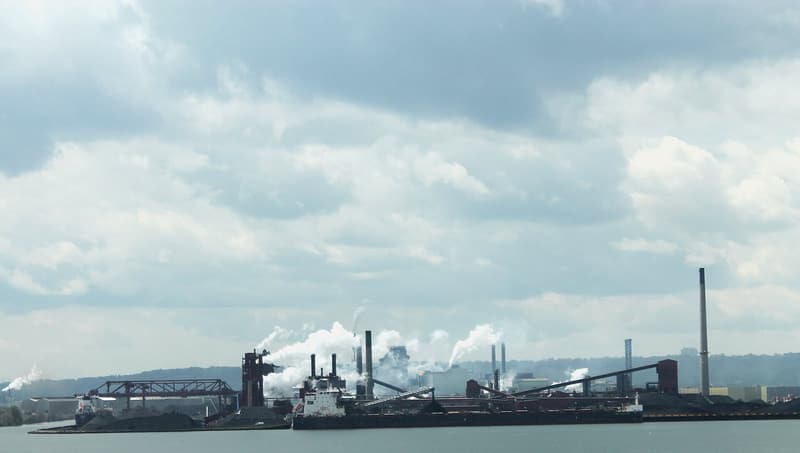
Stelco Layoffs Spark Debate Over Canadian Steel Industry Future
Representative photo · Photo: K2HWY / Wikimedia Commons, CC BY 4.0
Hundreds of Canadian steelworkers face layoffs as owner Cleveland-Cliffs blames US tariffs and foreign competition for production cuts.
The ongoing struggle for Canadian steelworker jobs has left many employees, such as Chelsey Masteij, facing uncertainty. While some might search for a Canadian fight for economic stability, the reality for hundreds of workers at Stelco is a sudden loss of employment. Masteij, who spent three years in the male-dominated industry, was laid off on October 9 after the company’s American owner, Cleveland-Cliffs, announced temporary shutdowns at its Hamilton and Nanticoke, Ontario, facilities.
Stelco management attributes the decision to United States President Donald Trump’s tariffs, which have increased costs for American buyers, alongside rising competition from cheaper foreign steel. However, workers and union officials are skeptical of this explanation. Ron Wells, president of United Steelworkers Local 1005, stated that employees feel they are being used as pawns in a broader corporate strategy. The union has questioned whether Cleveland-Cliffs is leveraging difficult market conditions to serve its own financial interests at the expense of its Canadian workforce.
Cleveland-Cliffs faces scrutiny over layoffs as workers and unions question the necessity of production cuts.
Examining the trade impact
In June 2025, the US doubled tariffs on steel and aluminum imports to 50 percent. Stelco reports that its exports of cold-rolled and coated steel to the US dropped by 58 percent in the second quarter of 2026 compared to pre-trade war averages. Colin Mang, an assistant professor of economics at McMaster University, confirms that demand for Hamilton-produced steel has declined, partly due to the impact of these tariffs on the Canadian auto industry, which serves as a major buyer.
However, the company’s motives remain a point of contention. During a July earnings call, CEO Lourenco Goncalves suggested that scaling back production in Canada could have a positive financial impact on the company if Ottawa did not provide more protection against imports. This statement preceded the current wave of layoffs, which are expected to affect up to 500 workers across two Ontario plants. As of late October, 175 workers in Hamilton had received formal notices, with many expressing frustration over the lack of clarity regarding the duration of the shutdowns.
Why it matters
The situation highlights the vulnerability of the Canadian manufacturing sector to shifts in international trade policy. For workers, the layoffs represent a significant loss of livelihood, while for the company, the cuts are framed as a response to market pressures and a call for government intervention. This dispute underscores the complex tension between corporate profit strategies and national employment stability.
Sources
More like this

US Treasury Urges Federal Reserve to Avoid Rate Hikes Amid US Iran War Energy Shock

Jaguar Land Rover Reports Quarterly Loss After Job Cuts

Scott Bessent Criticizes Howard Lutnick Over Megaspeed Export Control Failures