CFMEU Inquiry Hears Bandidos Member Was Pushed for Site Job
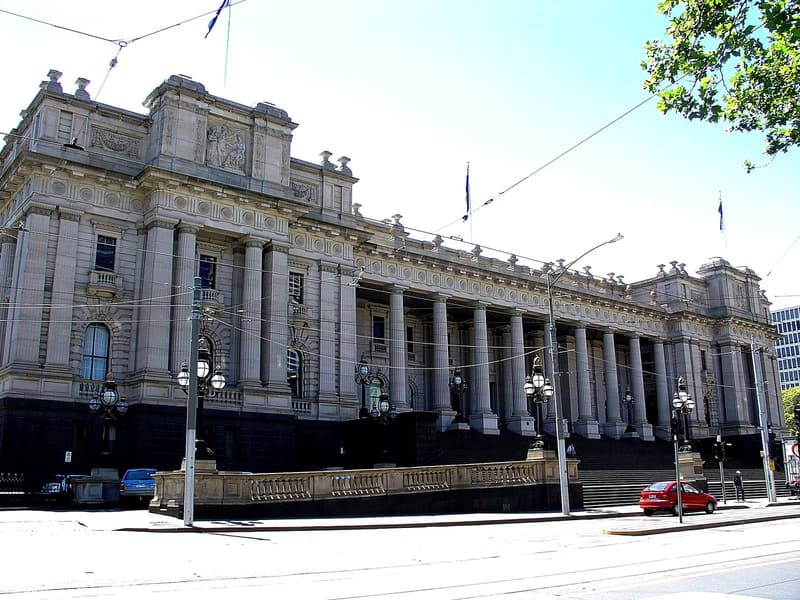
Representative photo · Photo: Bjenks / Wikimedia Commons, CC BY-SA 3.0
A royal commission into Victoria's construction sector has heard that union representatives pushed hard to hire a notorious bikie.
A royal commission examining alleged corruption across Victoria’s construction sector has heard fresh testimony regarding union influence on hiring practices. The latest developments surrounding the cfmeu inquiry reveal that a prominent outlaw motorcycle gang member was pushed into a building site role despite initial resistance from management.
Bandidos member Joel Leavitt appeared before the inquiry on Tuesday to provide evidence about his employment history. Leavitt, who has a criminal record that includes riot, affray, and assaulting police, worked as a labourer on a project managed by Laing O’Rourke in Cranbourne between March and August of 2021. He also served as a health and safety representative on building sites for the Construction, Forestry and Maritime Employees Union.
Messages presented during the hearings showed communication between Leavitt and former CFMEU organiser Gerry McQuaid regarding the hiring process. In one exchange, McQuaid noted that union officials were pushing hard for his placement despite the builder dragging out the decision. When questioned by counsel assisting Chris Carr SC about what this level of lobbying meant, Leavitt maintained that helping secure jobs for members is simply part of an organiser's daily responsibilities.
Union officials pushed hard to place a criminal-linked bikie on a major Victorian construction project.
During the proceedings, Commissioner Chris Kourakis AC suggested that union representatives might have had specific reasons for wanting Leavitt on the Cranbourne site. Meanwhile, the inquiry has also been examining wider union tactics, including a high-profile standoff at Sunbury involving disputed safety notices that forced work to halt on a crucial rail project.
Why it matters
This testimony sheds light on the complex relationships between construction unions, employers, and individuals with criminal associations on major building sites. Understanding these hiring pressures provides insight into how union leverage operates within large-scale public infrastructure projects.
Sources
More like this
California honors civil rights icon Dolores Huerta at state capitol
UK Prime Minister Seeks Closer Ties with EU Following Brexit
Labor Australia to revise backpacker visa caps following regional industry feedback