Almost 1 in 4 children live in conflict zones amid rising global threats
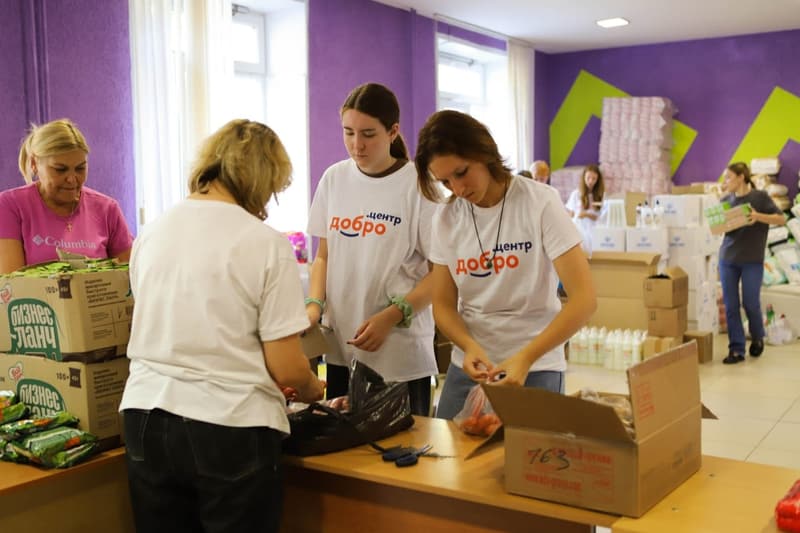
Representative photo · Photo: Governor of the Kursk Oblast Alexey Smir / Wikimedia Commons, CC0
A new Save the Children report reveals that nearly 600 million children lived in conflict zones globally in 2025, marking a record high.
A record-breaking number of young people grew up surrounded by armed conflict in 2025, according to findings published on Thursday by the humanitarian group Save the Children. In the latest installment of the organization's 'Stop the War on Children' series, data showed that 589 million children around the world resided in active conflict areas. This figure represents the highest total recorded since tracking began in 1990 and stands at more than double the levels seen during the mid-1990s. Florian Westphal, CEO of Save the Children Germany, described the situation as a stark reminder that fear, violence, and displacement define daily existence for millions, urging global leaders to treat the findings as an urgent wake-up call. Regionally, the burden of war fell heavily across Africa and the Middle East, where roughly two in five children lived in conflict zones last year. Africa alone accounted for 44 percent of all affected children globally, with the proportion of children exposed to warfare on the continent rising sharply from 12 percent in 2010 to 39 percent in 2025. Meanwhile, the Middle East saw its affected population jump by nearly 29 percent to 67 million children in 2025.
Dramatic Rise in Humanitarian Access Denial
Beyond direct exposure to fighting, the report drew attention to a massive surge in the denial of humanitarian aid. Global verifications of blocked access reached 8,322 incidents in 2025, marking a sixteenfold increase over the past decade compared to 509 incidents in 2015. The Palestinian Territories bore the brunt of this restriction, accounting for more than 70 percent of all verified global cases with 5,946 incidents. Researchers noted that blocking humanitarian access has evolved into the second-most frequently recorded grave violation against children, shifting from roughly two percent of verified violations in 2015 to over 21 percent in 2025. Alongside blocked aid, the United Nations verified 38,967 grave violations globally last year, making it the second-highest annual total since the Monitoring and Reporting Mechanism was established.
Nearly 600 million children lived in active conflict zones in 2025, reaching the highest total since records began.
More than half of these total violations were concentrated in just three territories: the Palestinian Territories, the Democratic Republic of Congo, and Nigeria. Specifically, the Palestinian Territories recorded 12,449 violations, representing nearly one-third of all global cases. Furthermore, the Palestinian Territories and Ukraine together accounted for over half of all worldwide attacks on schools and hospitals, registering 837 and 643 incidents respectively. Incidents of sexual violence also saw sharp increases, particularly in the Democratic Republic of Congo and Sudan, with approximately 86 percent of such cases documented across African conflict zones. Stressing the need for accountability, the NGO emphasized that safeguarding children requires deliberate political choices and a steadfast dedication to ending warfare targeting youth.
Why it matters
The dramatic escalation in conflict exposure and rights violations directly affects millions of vulnerable youths, threatening regional stability and international humanitarian frameworks. The findings underscore how blocked aid and attacks on essential infrastructure continue to worsen humanitarian crises in major conflict hotspots.
Sources
More like this

India's Religious Composition and Future Projections in New Pew Study

Van Gogh painting fetches record $190.4m following Nazi history dispute

Israel Shares Gaza Swimming Video to Minimise Winter Hardships